Saturday, August 6, 2011

D.C. '11: Georgetown

We visited Georgetown in the afternoon the same day we visited the National Cathedral.  We did not visit the university - just took a quick walk through the neighborhood, had some lunch, and went to the dock for a sightseeing boat cruise.  There is far too much to see in Georgetown to try to fit it into a couple short afternoon hours, especially on a hot and humid summer's day.

Our first stop was Tudor Place.  Taken from the website:

"Tudor Place was built by Martha Washington's granddaughter, Martha Custis Peter, and her husband, Thomas Peter, son of a successful Scottish tobacco merchant. In 1805, Thomas Peter purchased the land comprising a city lot in Georgetown Heights with an $8,000 legacy from Martha Custis Peter's step-grandfather, George Washington. The Peters asked Dr. William Thornton, architect of the U.S. Capitol, to design the stately neoclassical house with its circular domed portico and expansive gardens. Completed in 1816, Tudor Place remained under the ownership of six succeeding generations of the Peter family until 1983. 

Following the death of its last owner, Armistead Peter 3rd, the historic site opened to the public in 1988 under the stewardship of the Tudor Place Foundation. Tudor Place brings to life the cultural and social history of over 180 years of the Peter family.

The Peter family witnessed the birth and growth of the capital, playing active roles in government, business and society. The family entertained the Marquis de Lafayette, Daniel Webster, Henry Clay, John C. Calhoun and others who shaped America's history."

Front entry gate.

Front facade of the house.

If my parents and I formed a band, this would be our album cover.

A patio for tea.

No photos were allowed inside, and most of the pictures I took there were rubbish anyway, so all of the above photos were all taken by Loren.

Georgetown has some very interesting art and architecture strewn about, as well as sites frequented by famous residents such as the Kennedys.
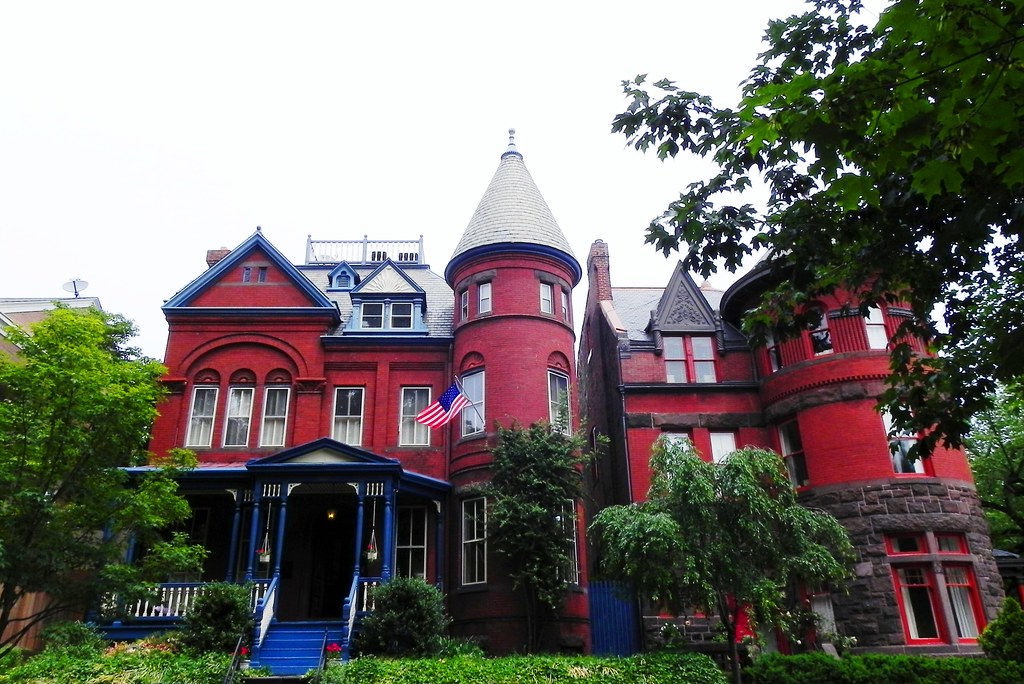
Thought this was one giant castle at first - actually two matching houses.
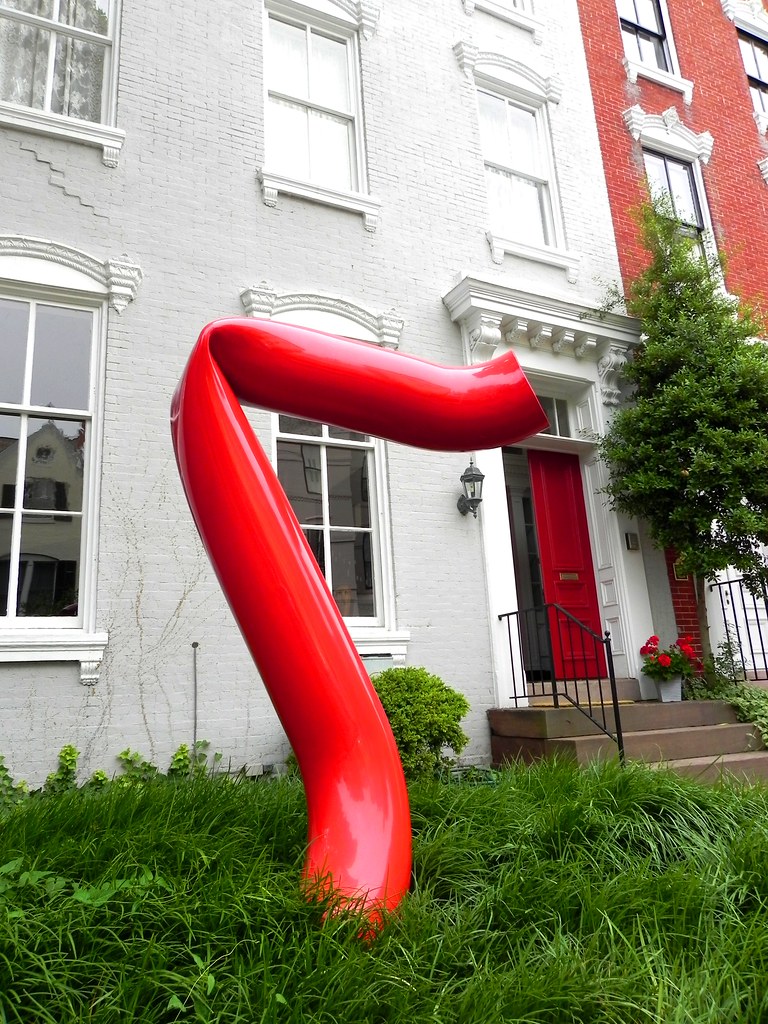
Random art... it matches the red door.
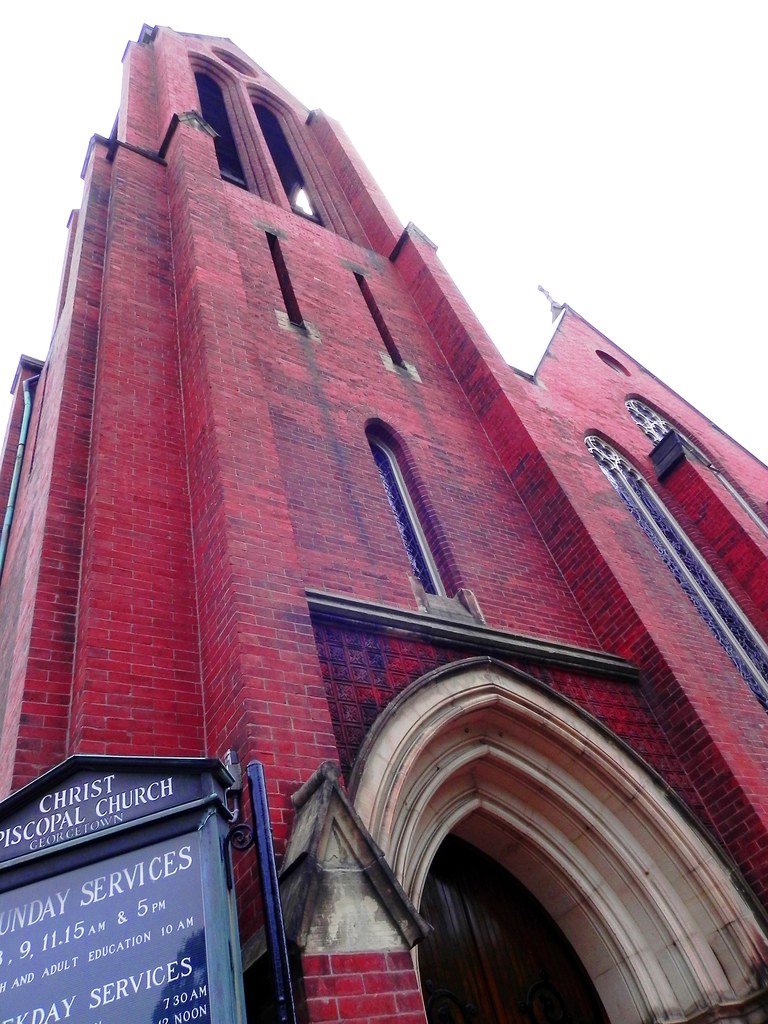
Christ Episcopal Church: "Christ Church was organized in 1817 as the fourth Episcopal congregation in the portion of the District of Columbia ceded by Maryland. At that time the District of Columbia also included territory ceded by Virginia. Christ Church broke away from Saint John's Church in Georgetown whose Rector's inclinations did not match the stronger evangelical ardor of most of his congregation, including Francis Scott Key."

We then did one of my favorite vacation activities: combined history with meal time.
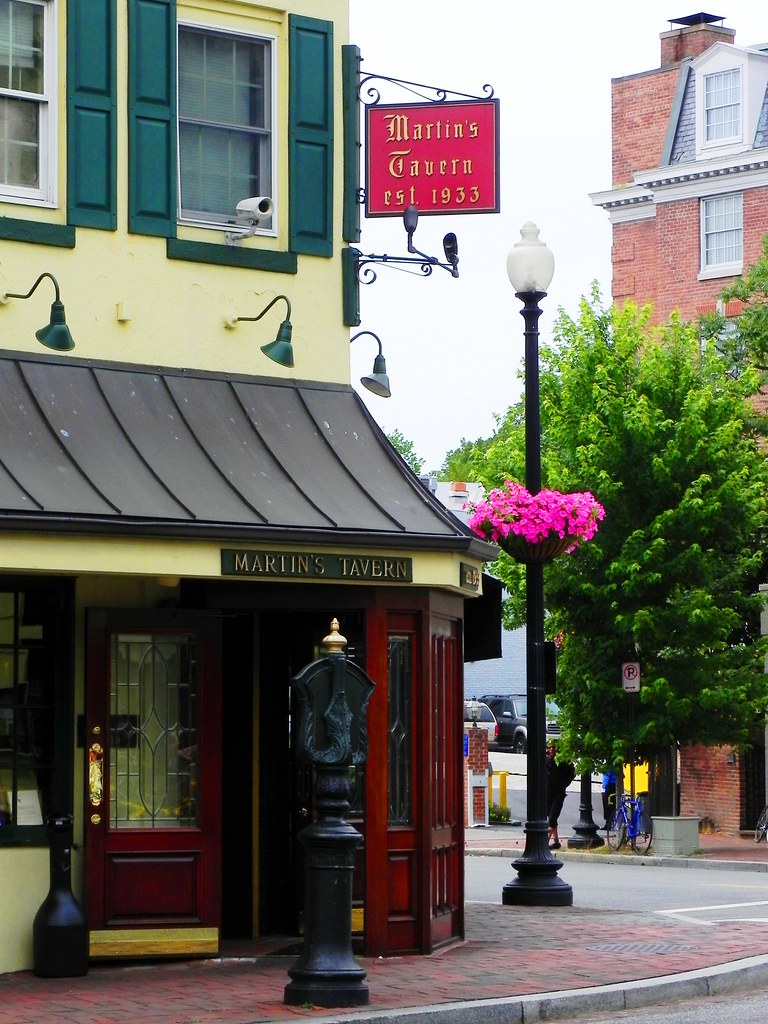
Martin's Tavern: frequented by presidents & other famous Washingtonites.
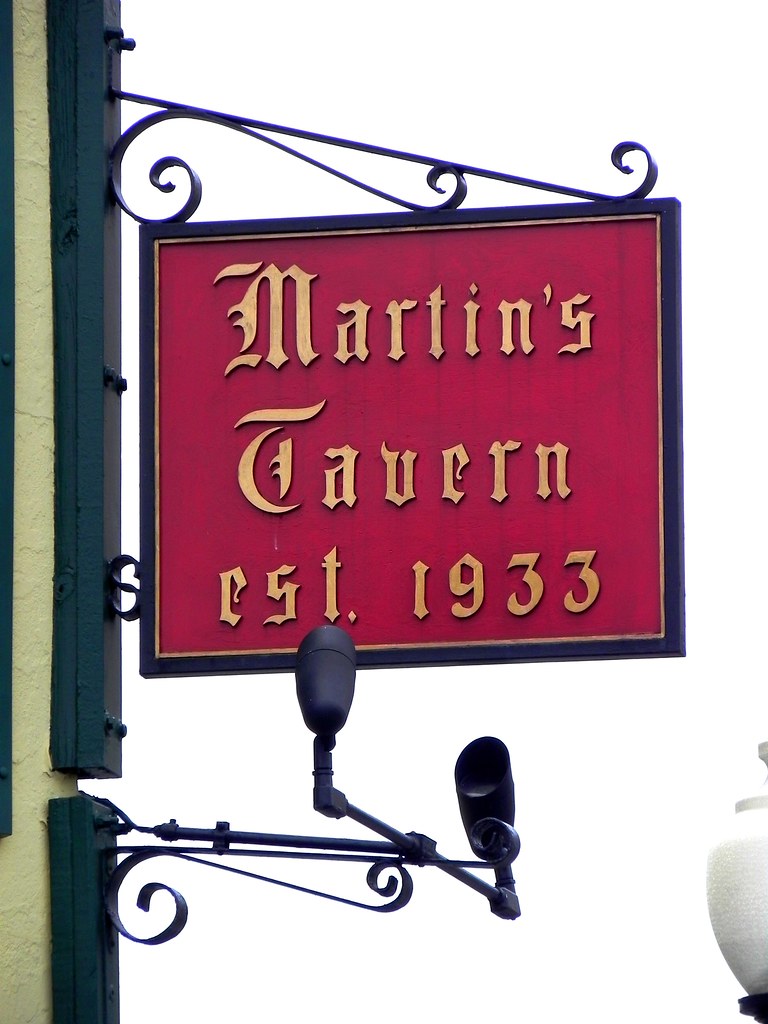
Est. 1933, and has gained itself lots of history since.
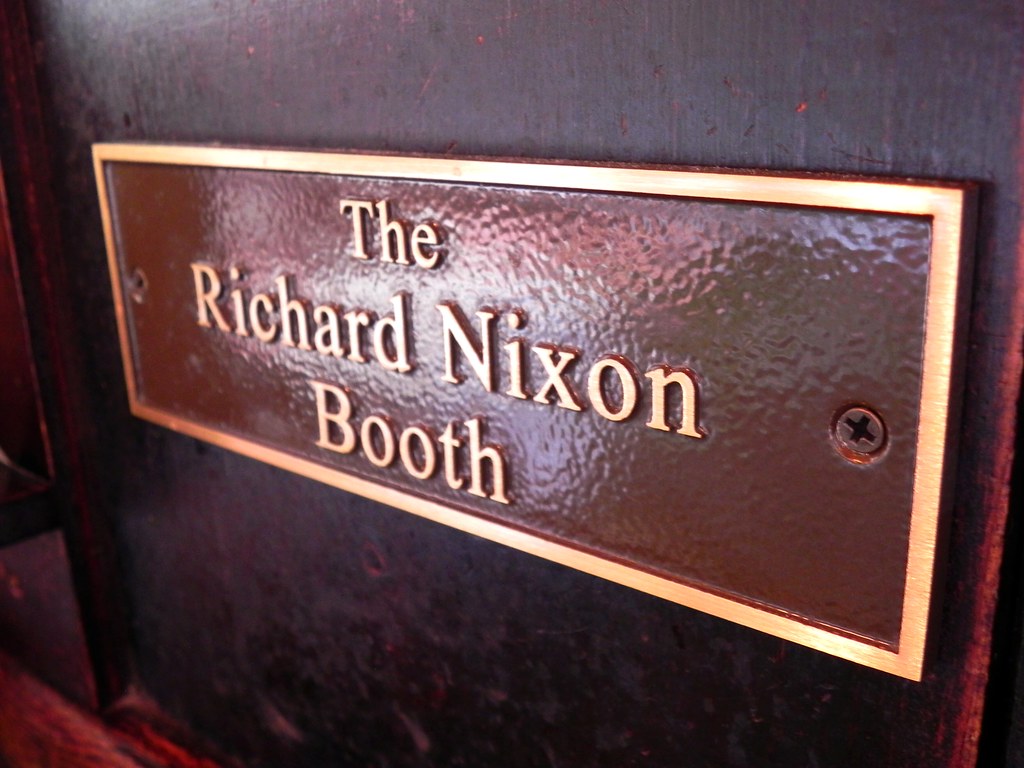
The booth in which we sat was once Richard Nixon's favorite booth.

The booth behind us was the booth in which JFK proposed to Jackie (taken by Loren).
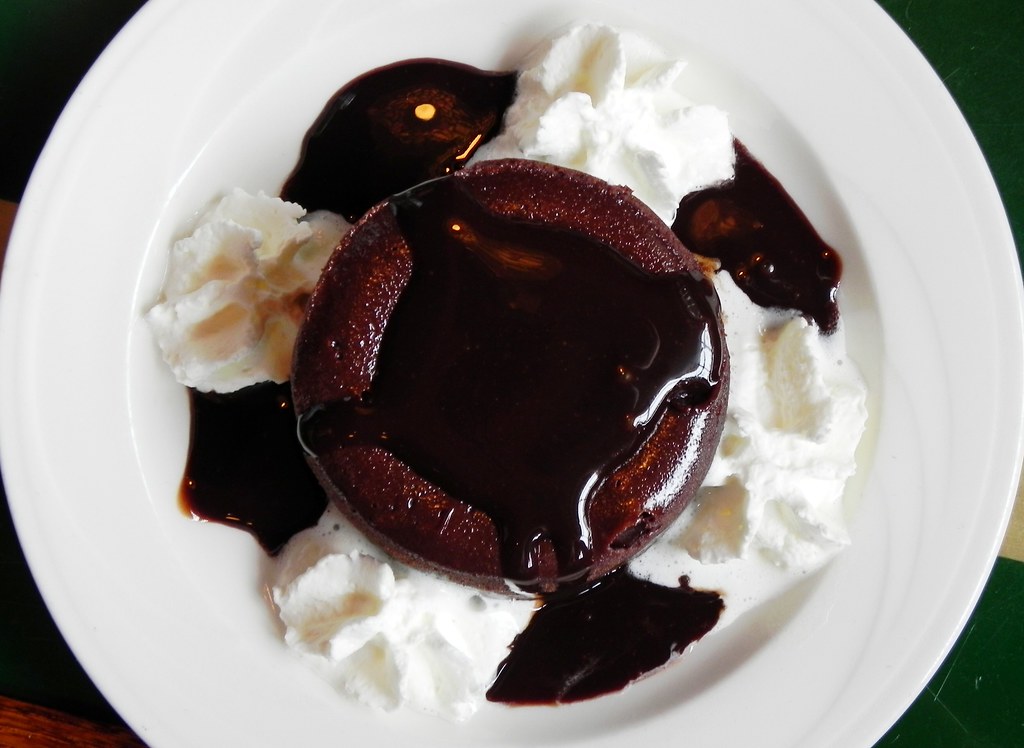
Dessert was delicious.
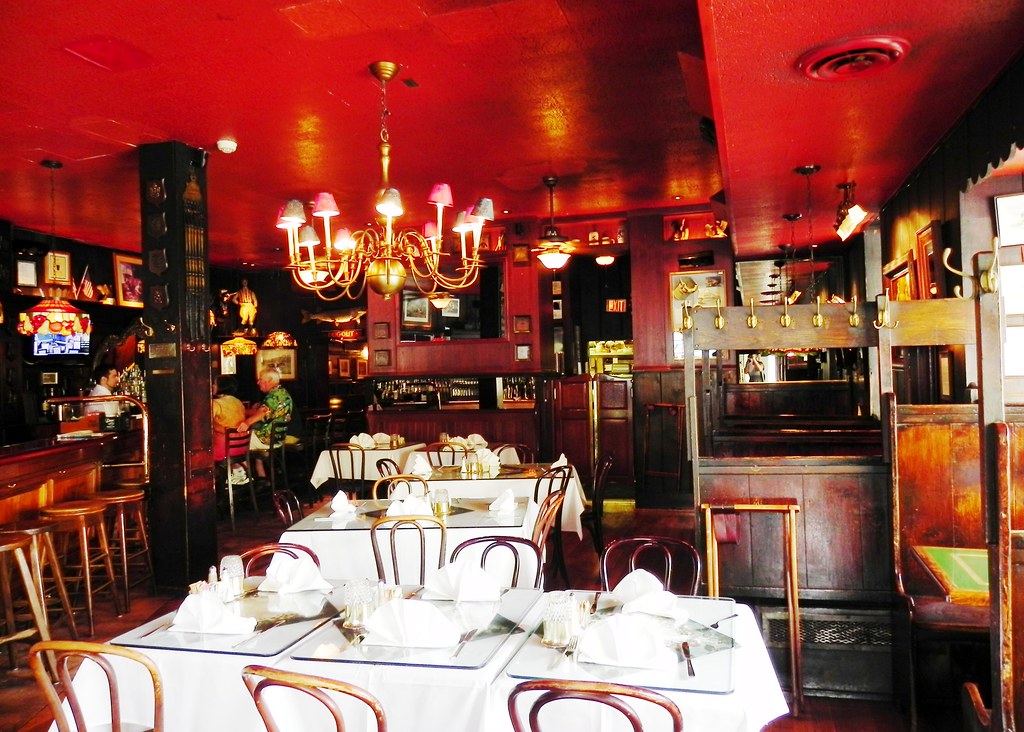
Charming tavern.

We then went down to Georgetown's Washington Harbour and took a sightseeing cruise up and down the Potomac.  It was nice to just sit back and enjoy the water as sights drifted past us, after all the aggressive sightseeing we'd already accomplished and still had planned.
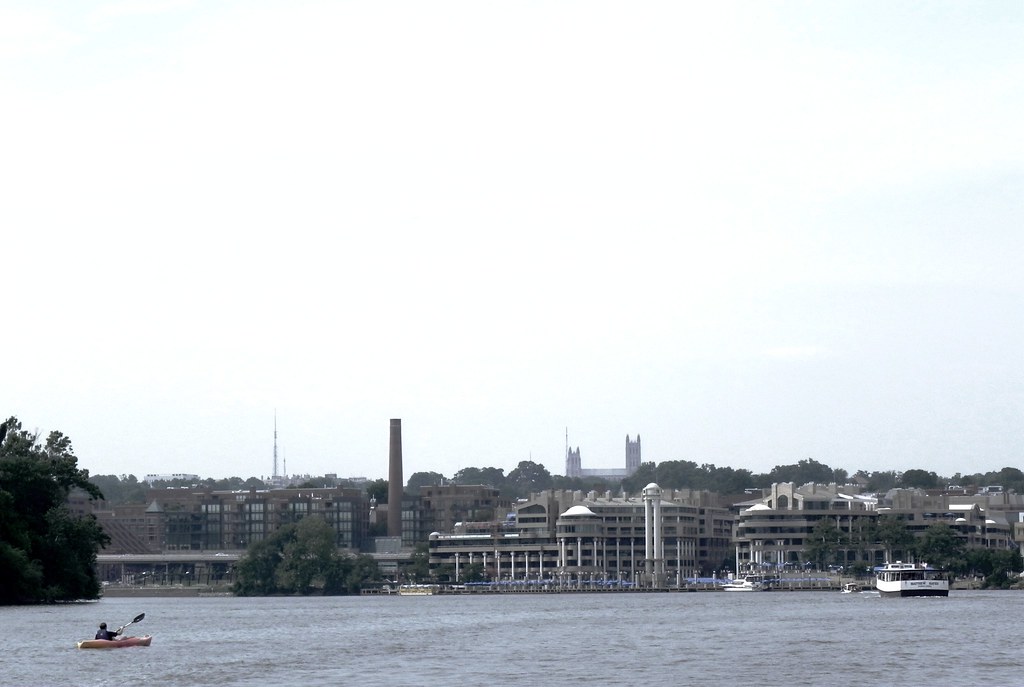

The view looking back at Georgetown after the boat left the dock - you can even see the National Cathedral in the distance.
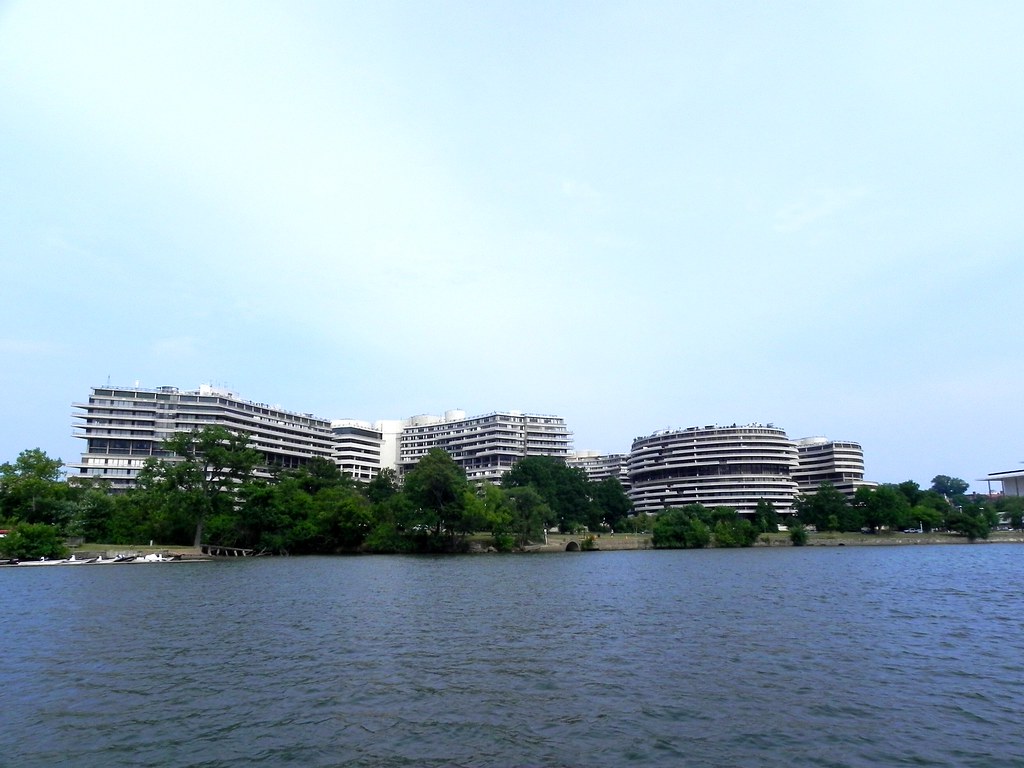
Watergate Hotel - I don't need to tell you why that's famous.
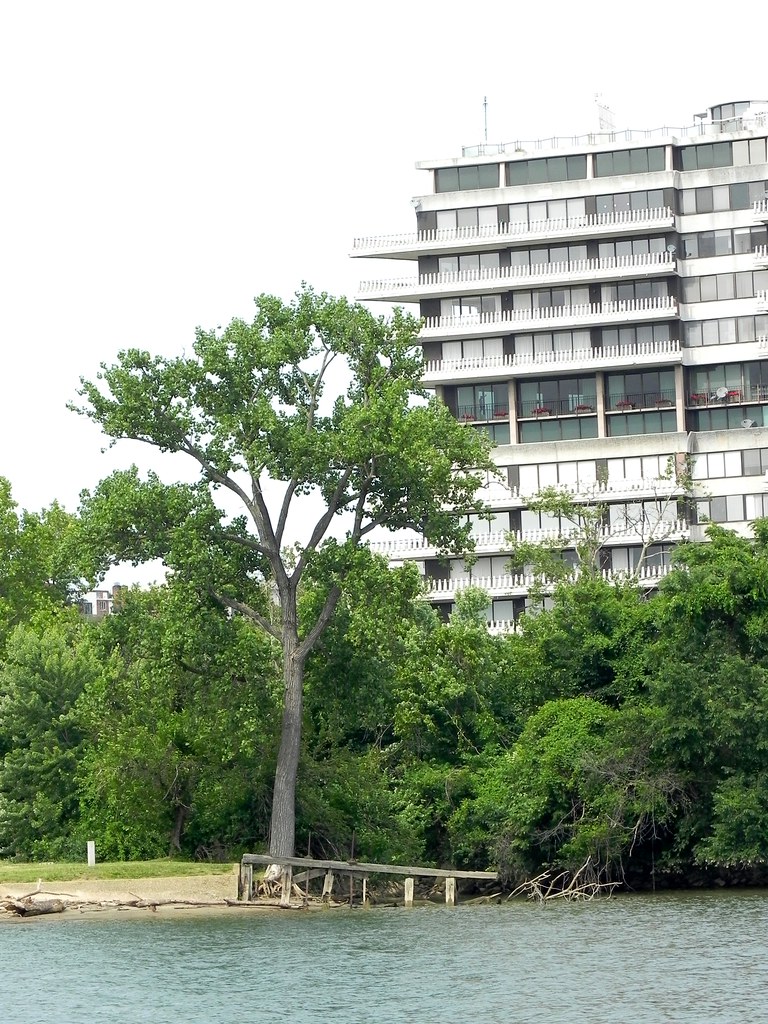
The original "water gate" after which the hotel is named.
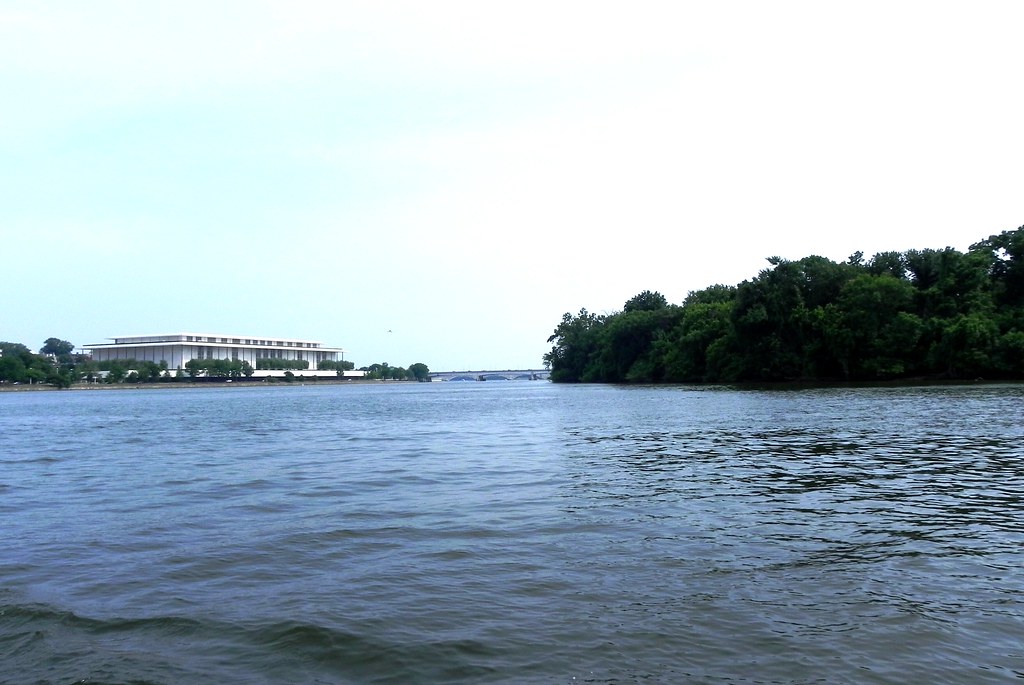
Kennedy Performing Arts Center on the left, Roosevelt Island (currently a nature reserve) on the right.
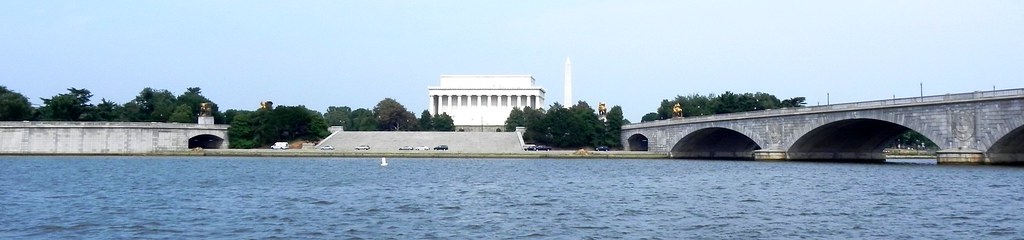
Lincoln & Washington memorials.
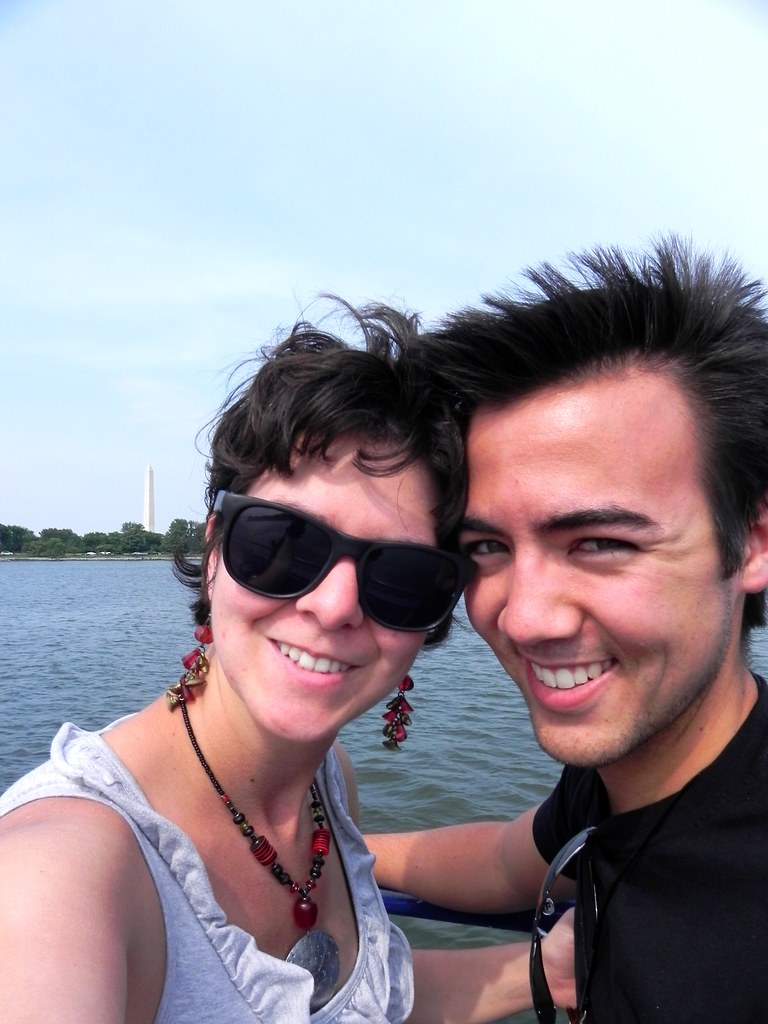
Loren and I with the Washington Monument in the background.
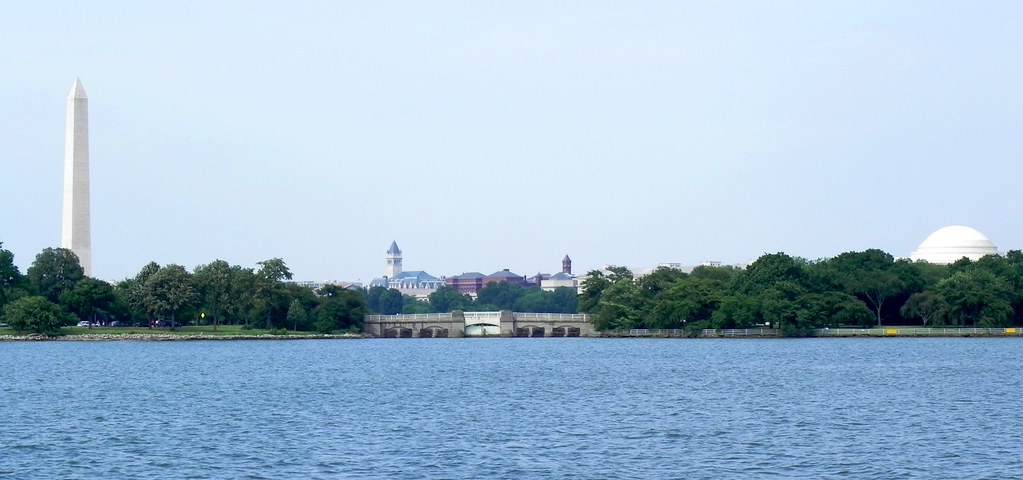
Washington Monument, Smithsonian Castle, waterway to the Tidal Basin, Jefferson Memorial.
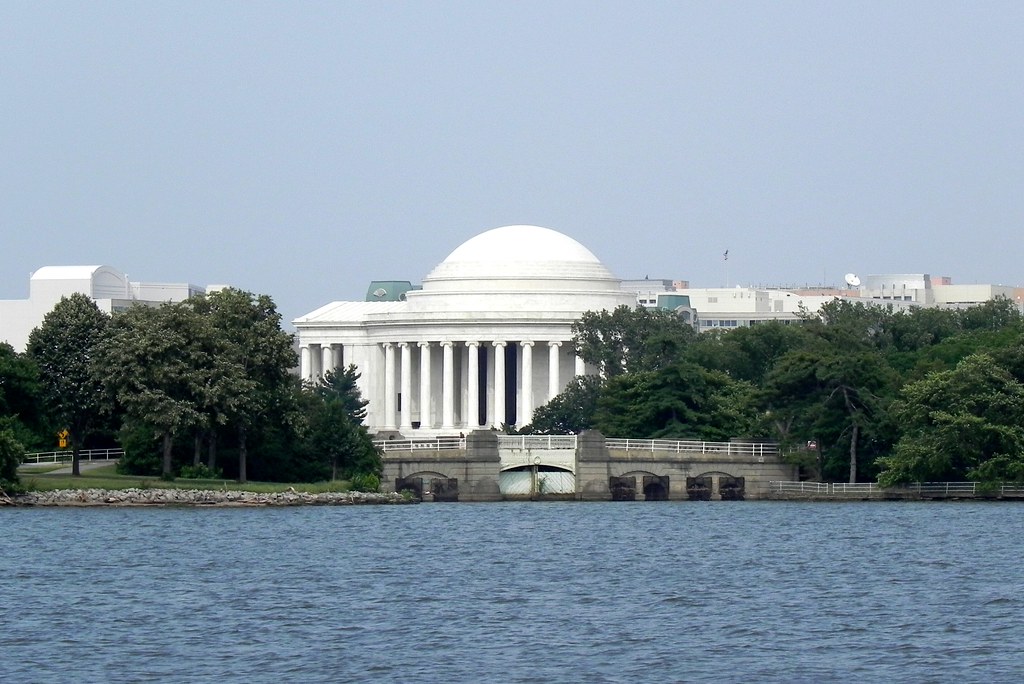
Jefferson Memorial.
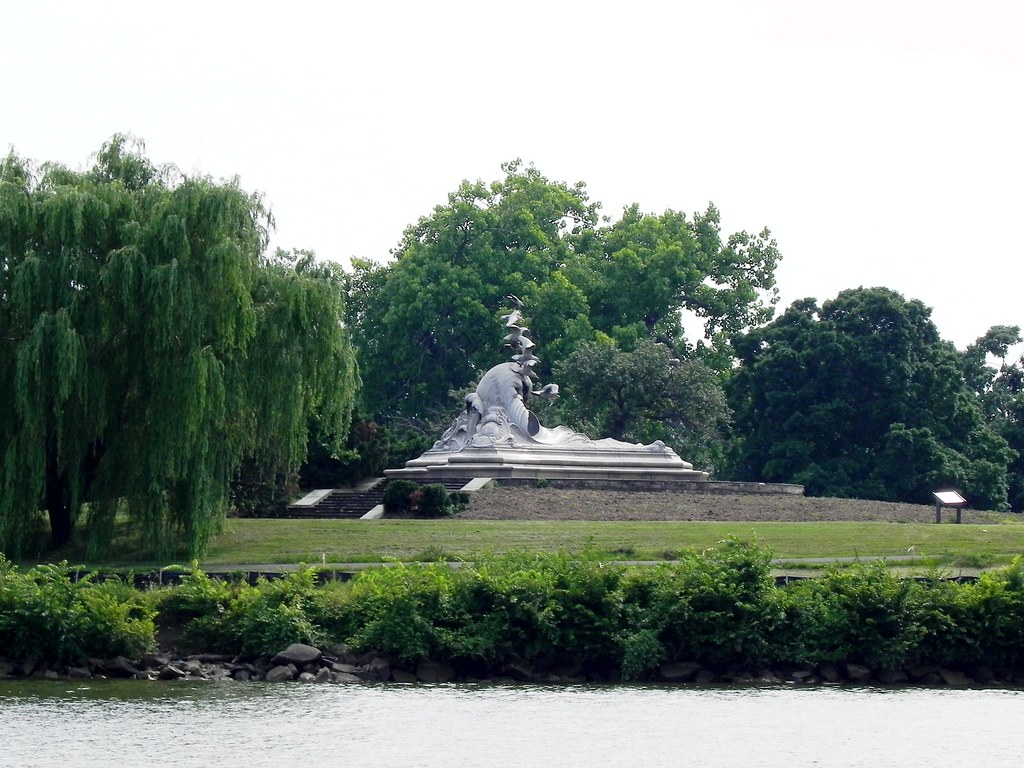
Some sort of memorial on the bank.
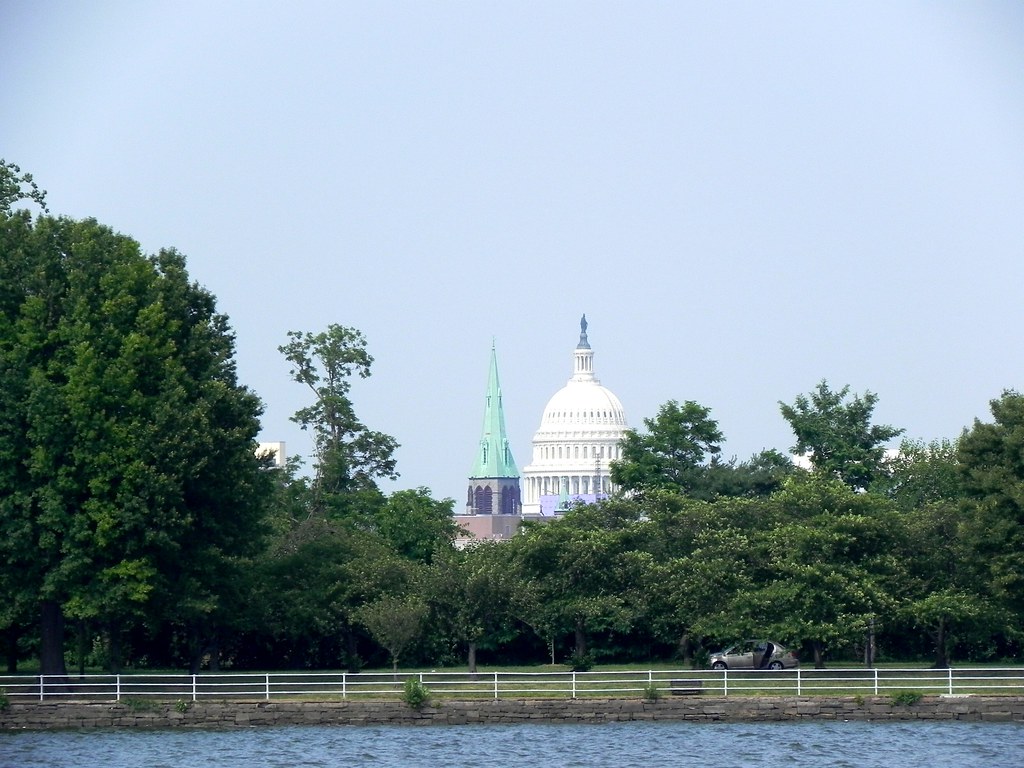
Capitol Building.
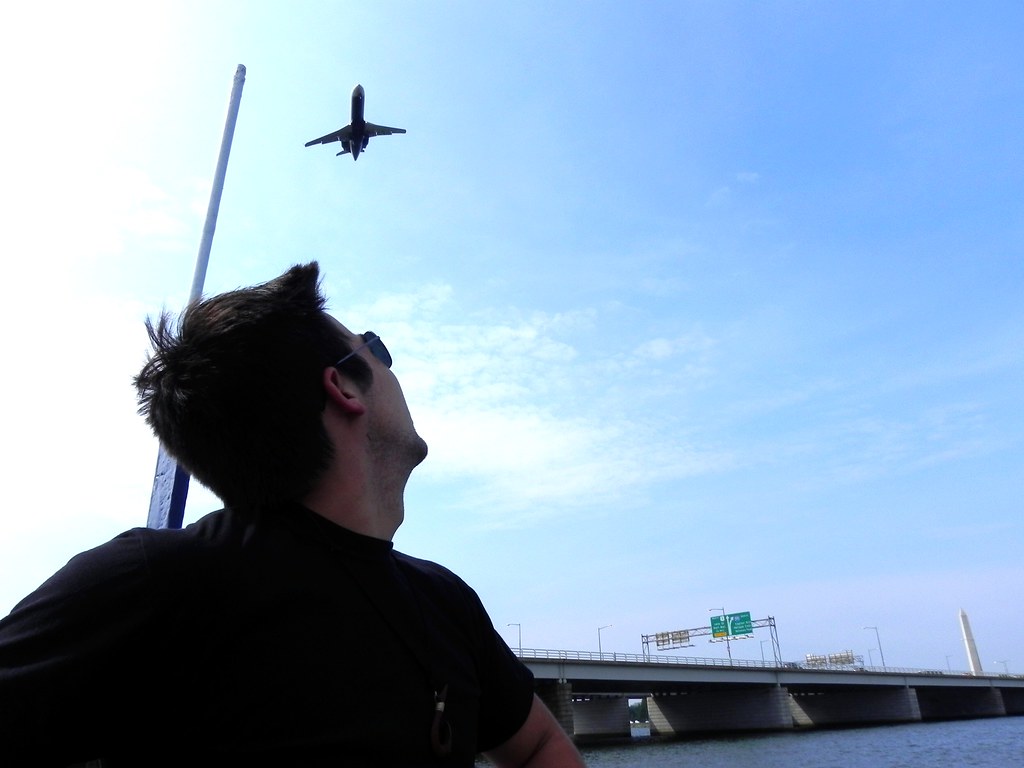
We were directly under the flight path, every 90 seconds or so a plane would go overhead.

After the cruise we decided to walk around the memorials on the Mall, but that's a topic for another post.

Monday, August 1, 2011

D.C. '11: Alexandria

Alexandria is a town across the Potomac river and just south from D.C.  Its "old town" has maintained a lot of historical buildings, monuments, and general feel.  There are many historical sights to take in just walking around town.  I'll primarily use pictures as a sort of photo-journal of our afternoon in Alexandria.

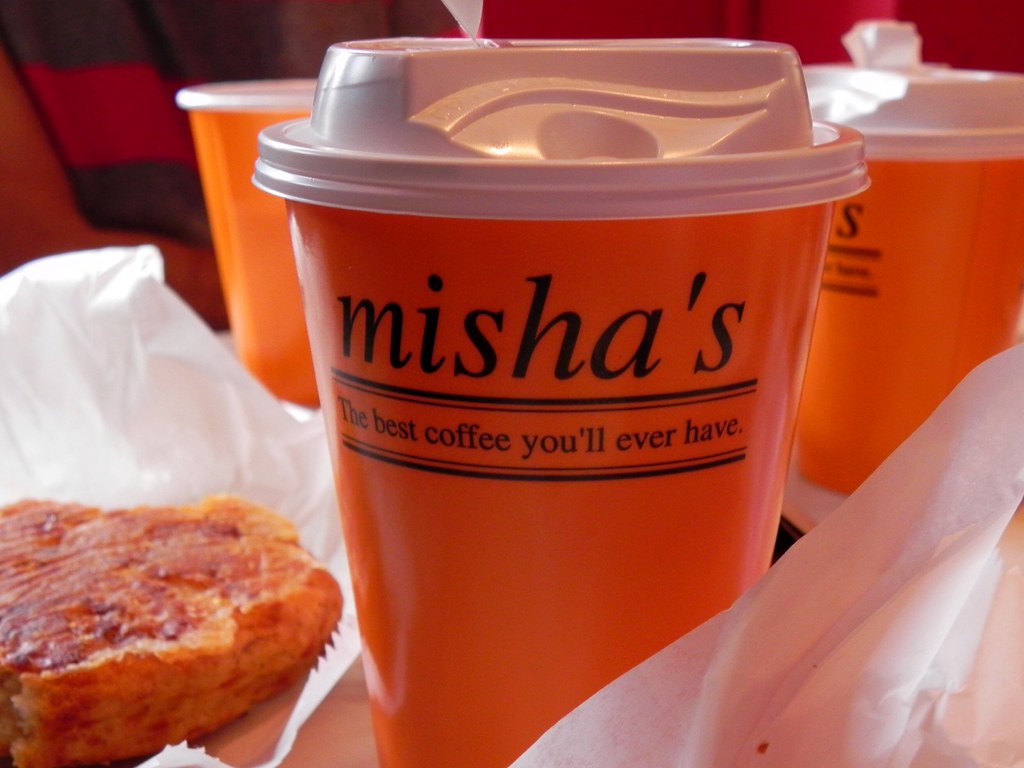
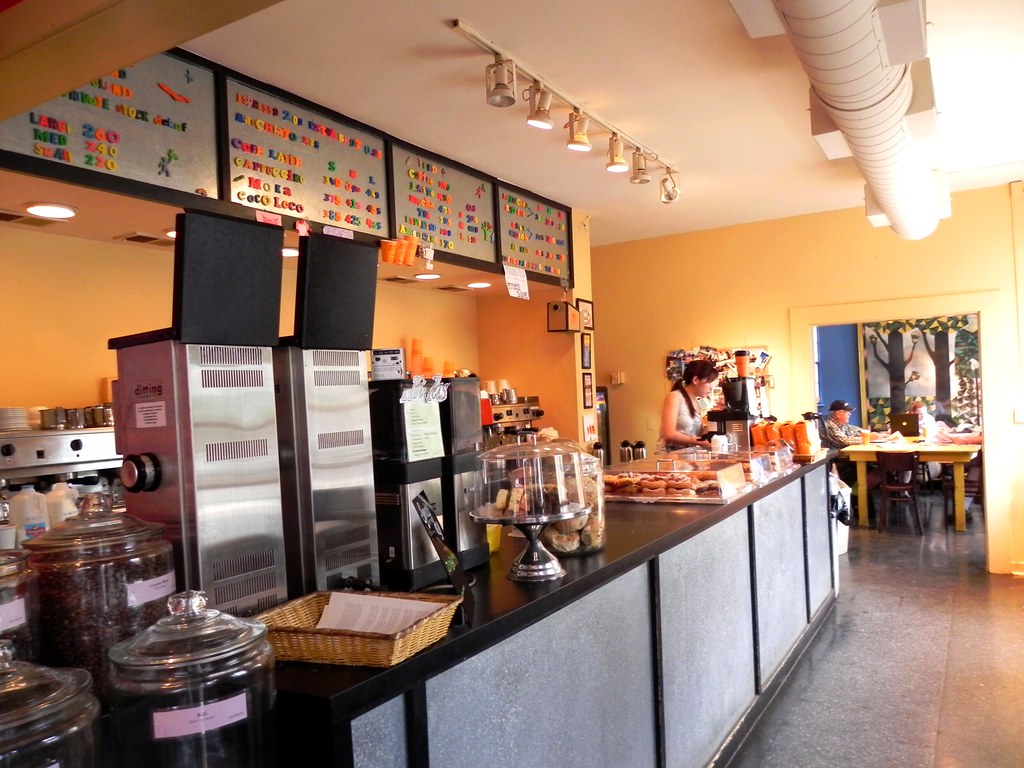
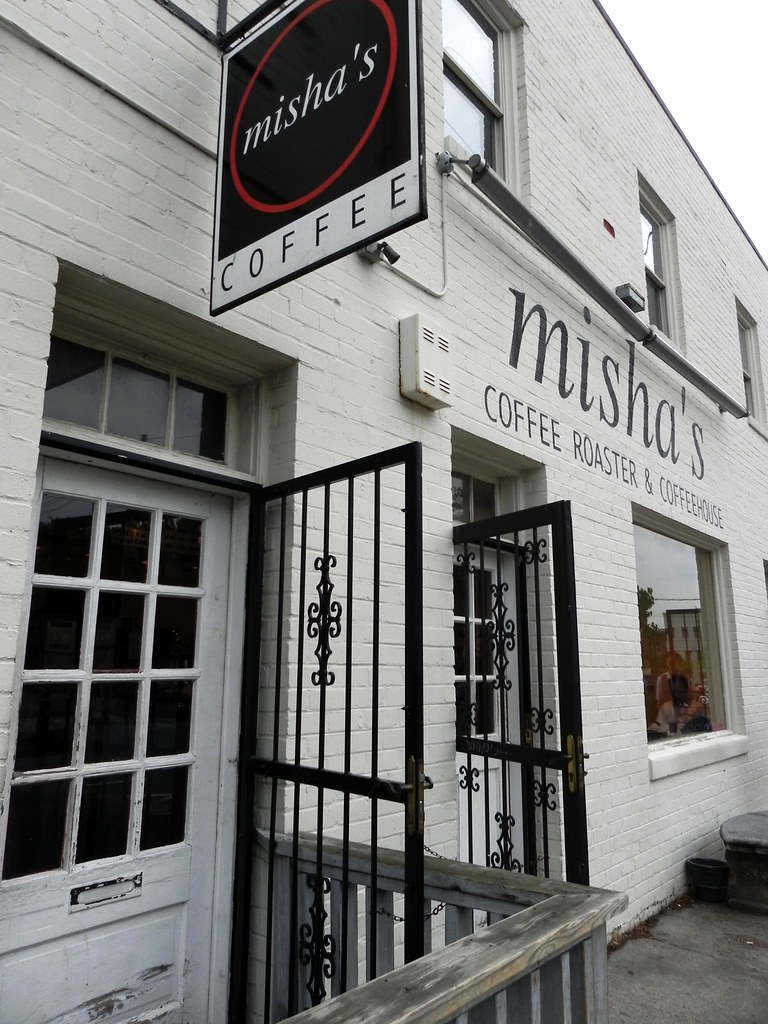
We stopped in Alexandria in the morning on our way to Mount Vernon (see last entry) for some breakfast at Misha's coffee house.

The outside of Misha's.

I can't remember if this was true, but I do remember it was VERY good!

Cute menu.

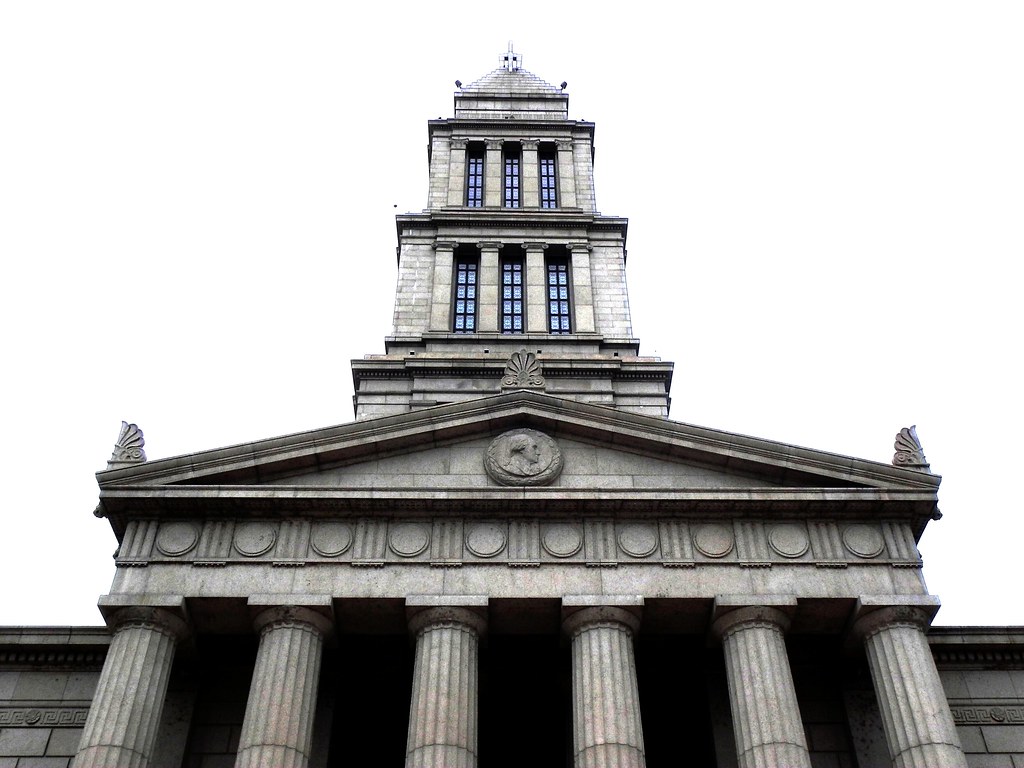
After Mount Vernon (see last entry) we came back to Alexandria.  Our first stop was the George Washington Masonic Memorial.

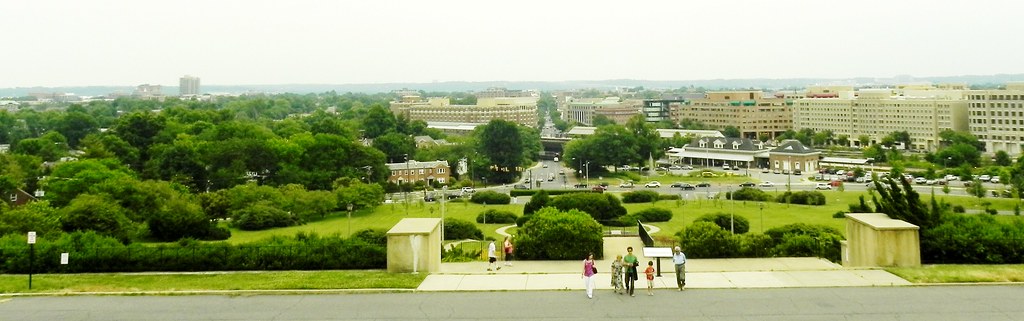
View from the steps of the memorial over Alexandria.

Front facade of the memorial / lodge.

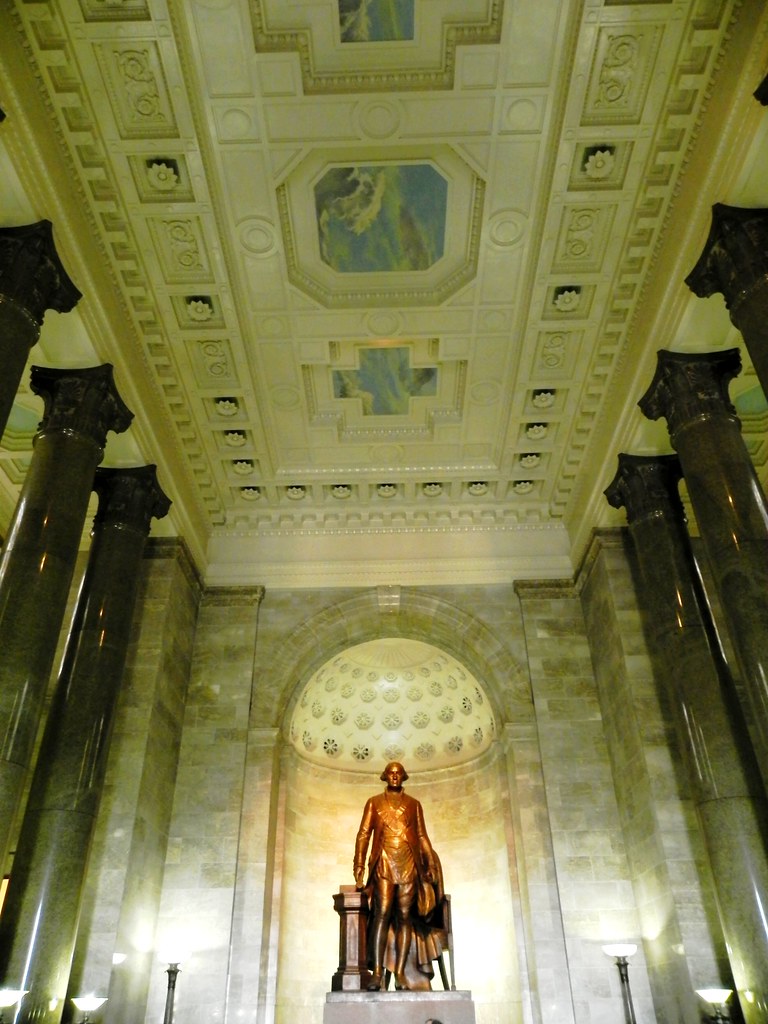
Statue of Washington in the first floor hall.

Statue of Washington (taken by Loren).

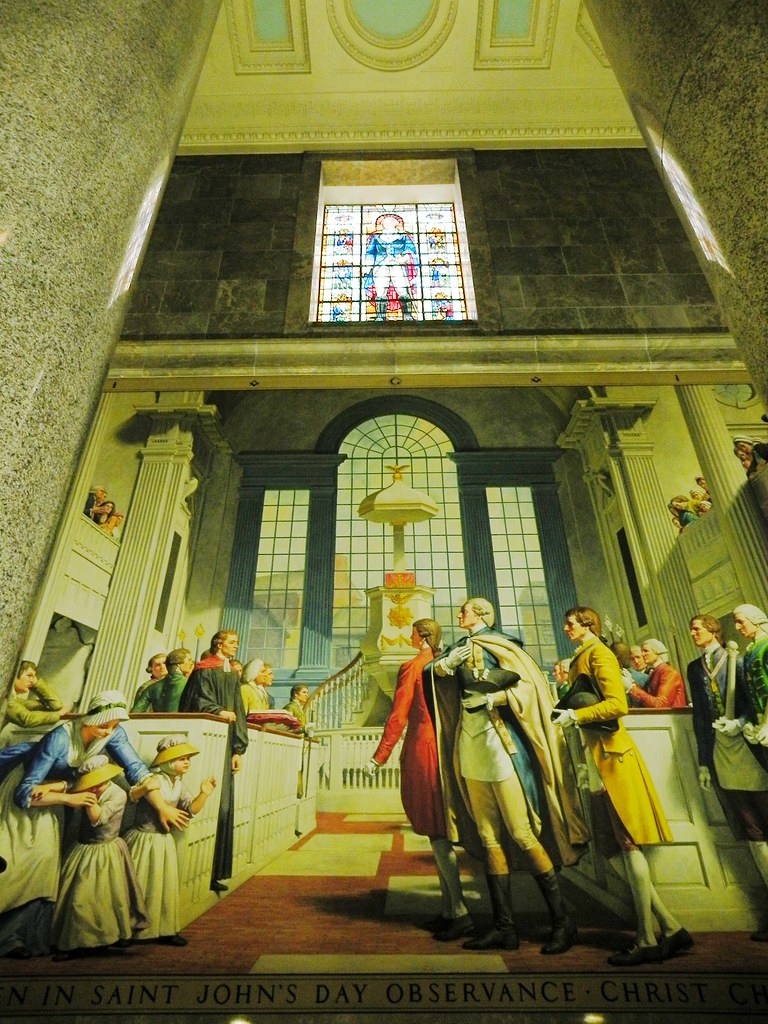
A bit of a mural in the main hall.

The seal of the lodge (taken by Loren).

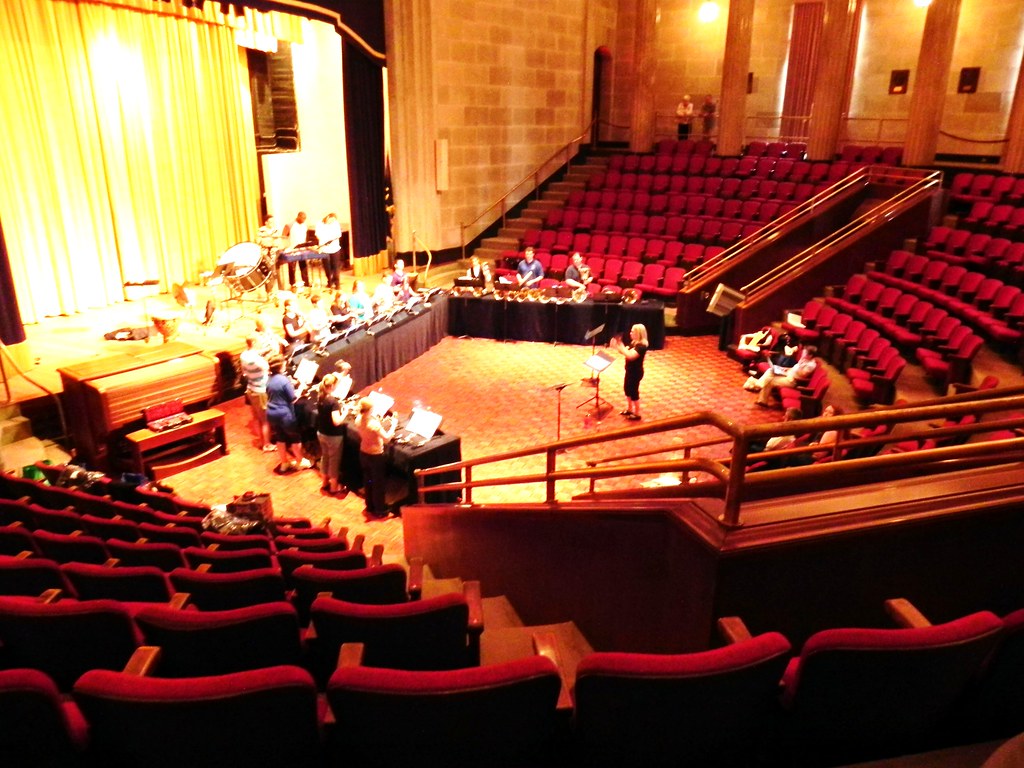
There was a handbell choir rehearsal in this theater, which was lined with plaques of the presidents who had been masons of the lodge at one point - there were a LOT.

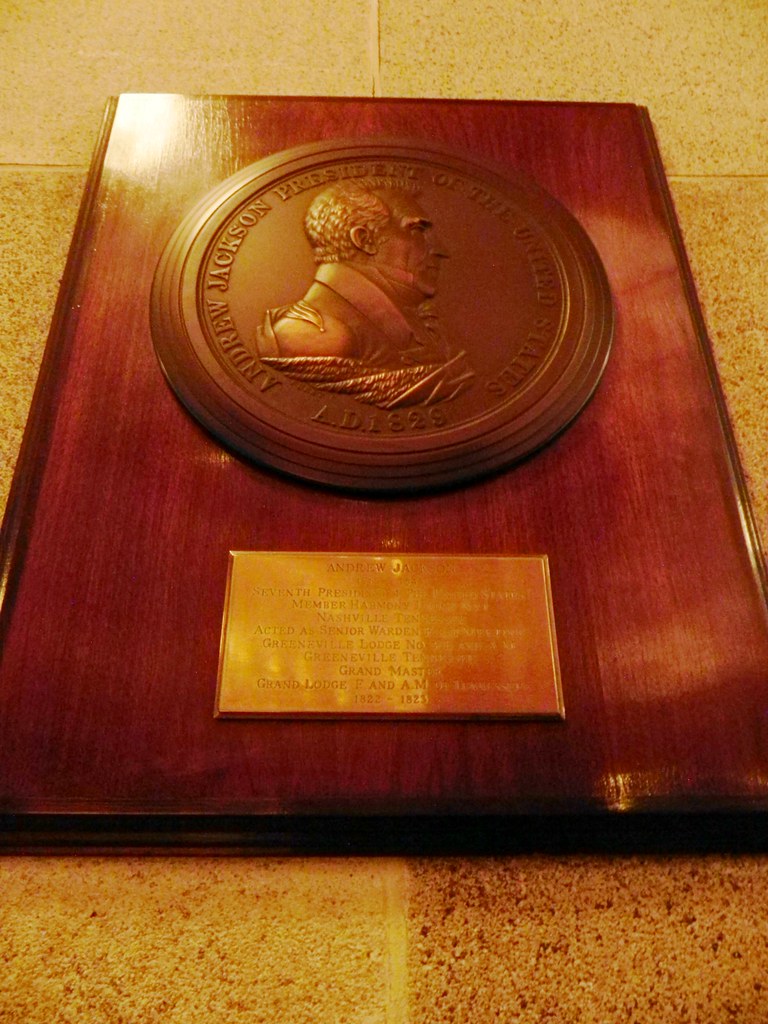
President Andrew Jackson's plaque in the rehearsal hall.

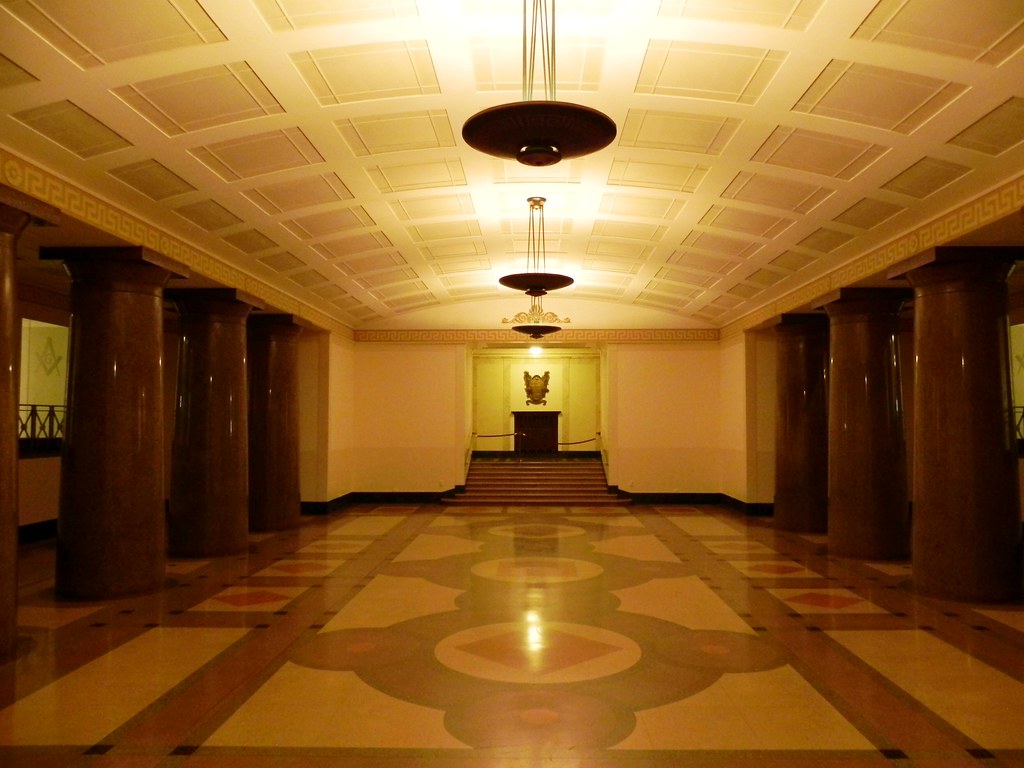
An event space downstairs.

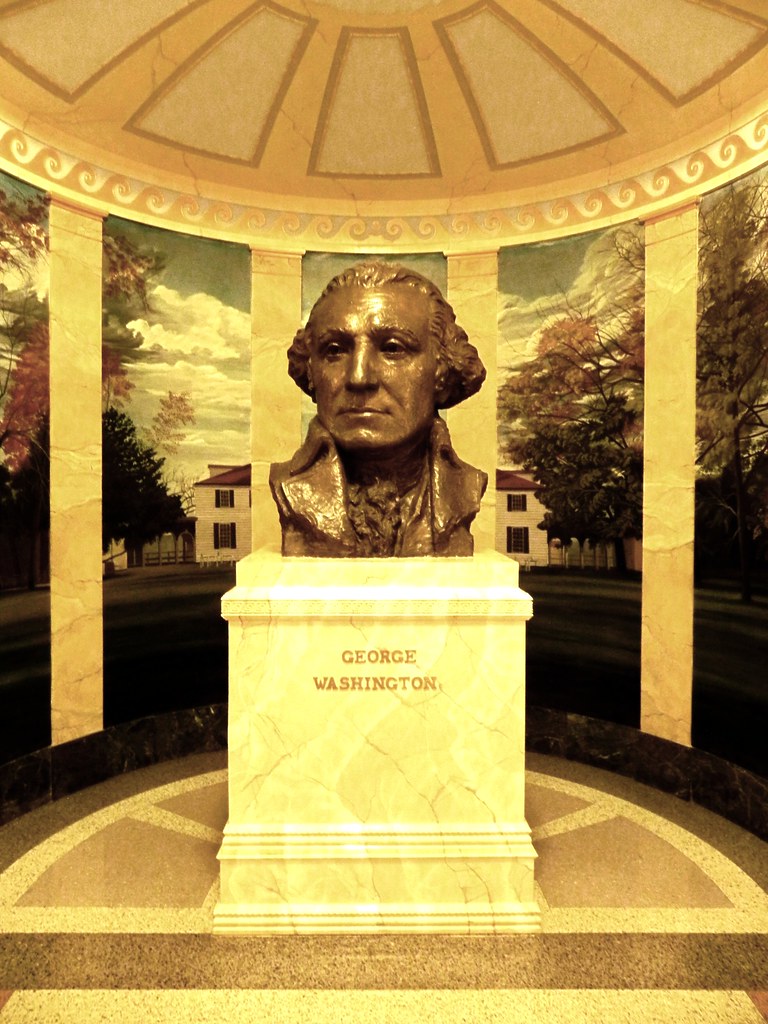
Bust of Washington downstairs.

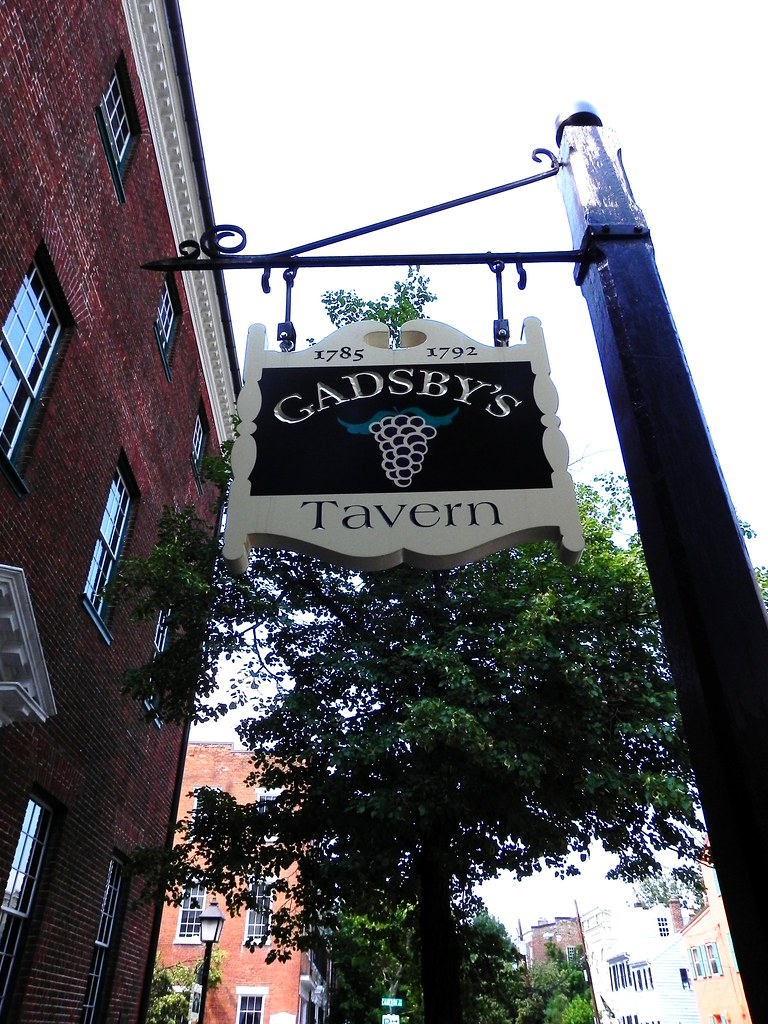
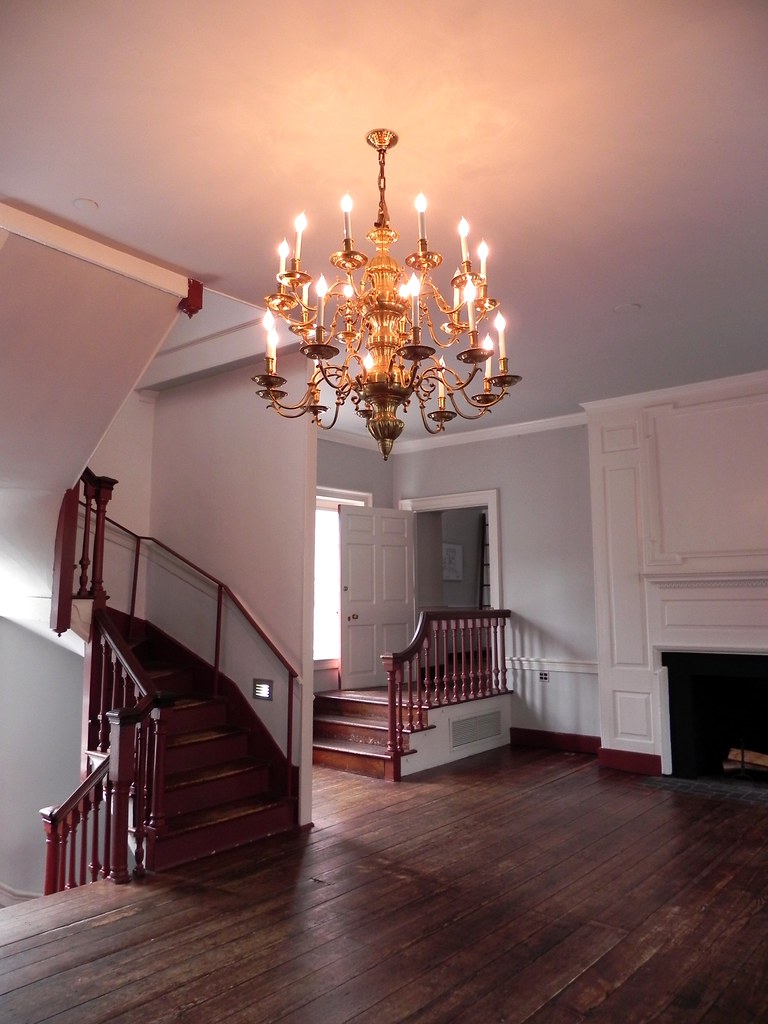
We then head into old town Alexandria, which is chock full of historical landmarks.  Our first stop was Gadsby's Tavern, which was an old 18th-century restored tavern that was frequented by Washington.

Gadsby's Tavern

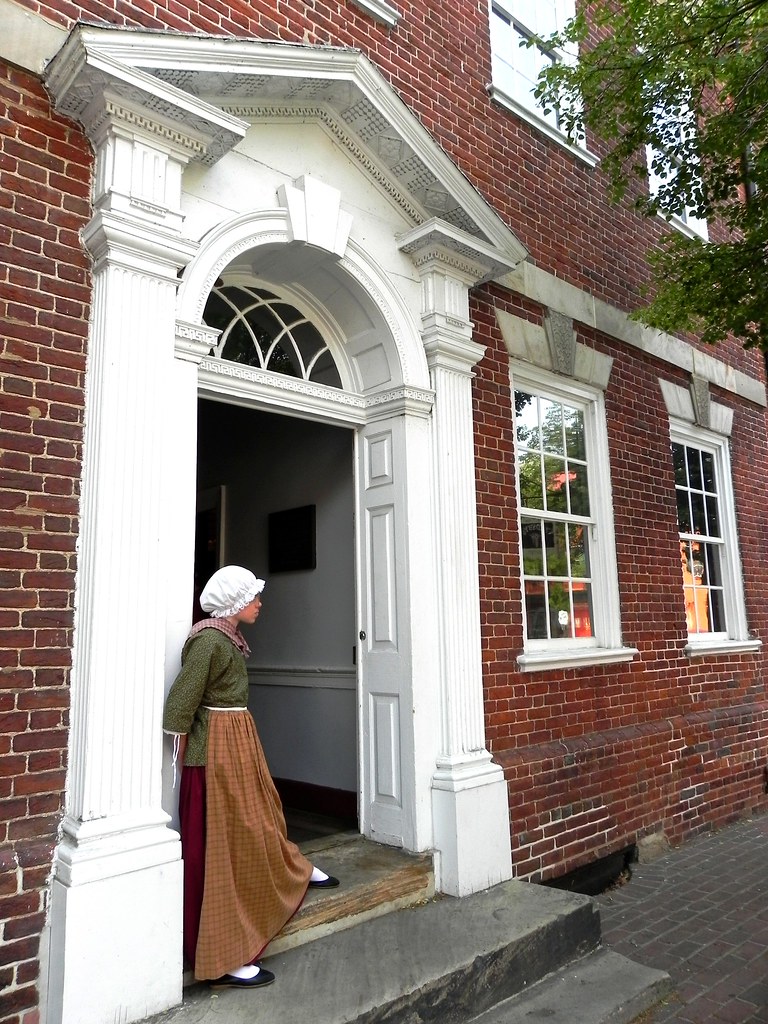
The tour was conducted by middle school kids in period dress, each with memorized information in their different rooms. It was very cute.

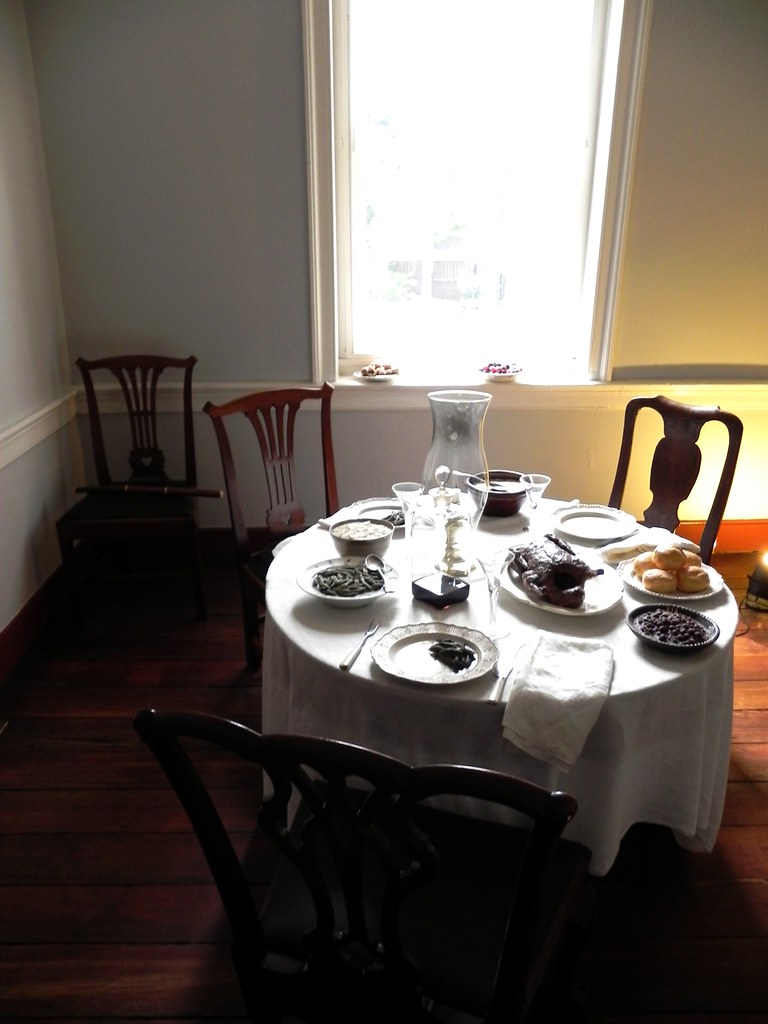
A private dining room, where more notable guests such as Washington and Martha would have dined. A solo musician would sit in the corner and accompany the meal (hence the flute on the chair), even as brawls would break out in the main dining room (not pictured).

Main meeting space on the 2nd level of the building.

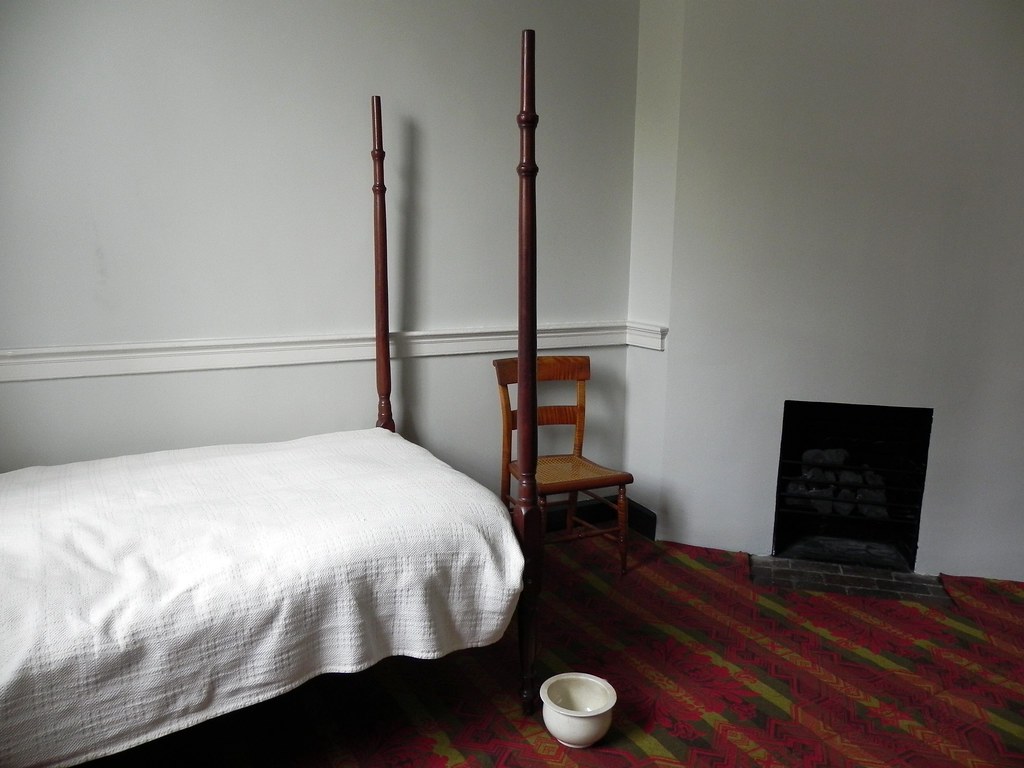
A private bedroom, where Washington would have stayed (only 2 single beds in a room, rather than floor space and a couple shared beds crammed into one or two rooms on the very top level, not pictured).

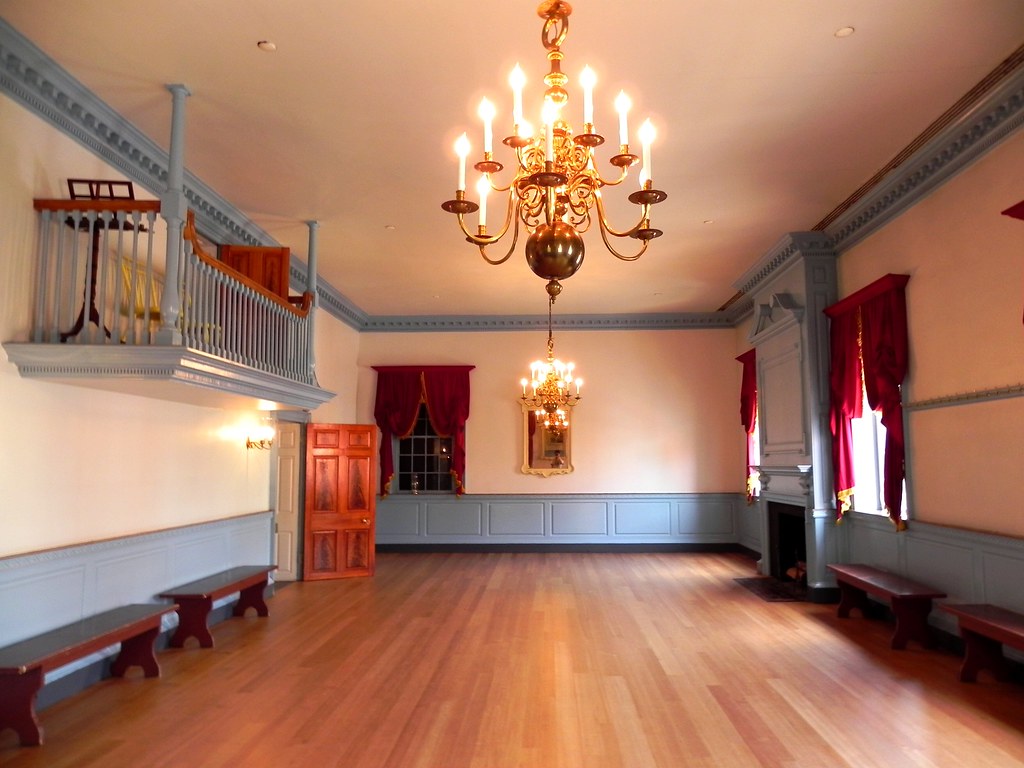
A dance hall! Musicians - only two at most - would sit in the balcony on the left.
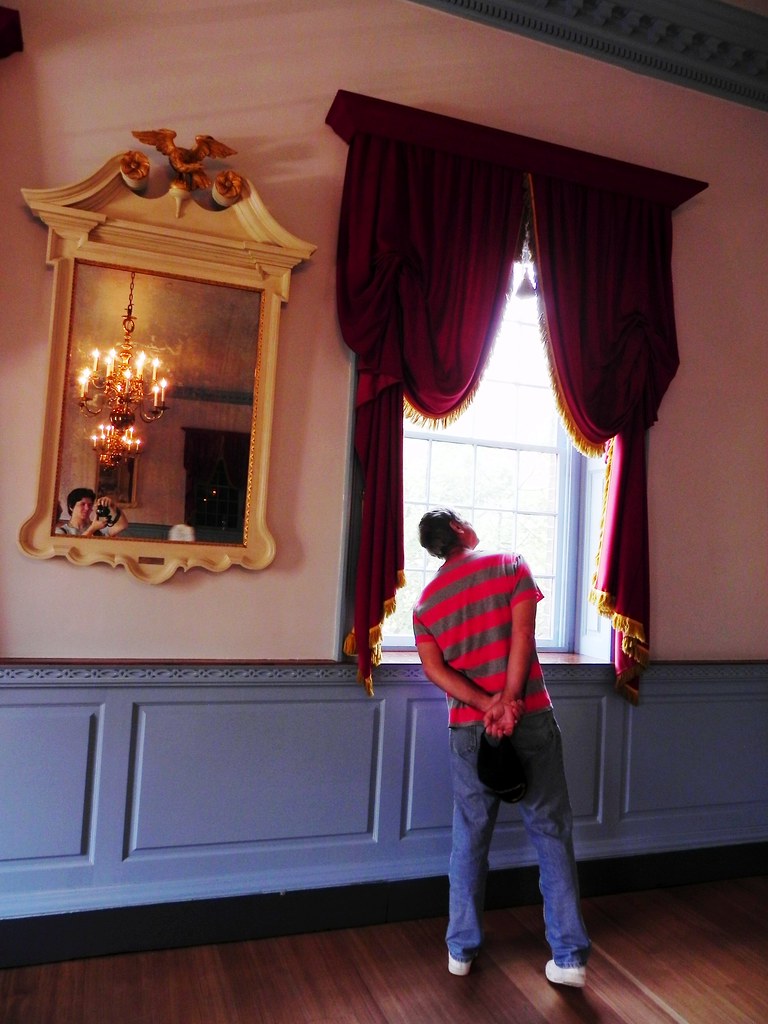
My dad looking out the dance hall window at old town Alexandria.

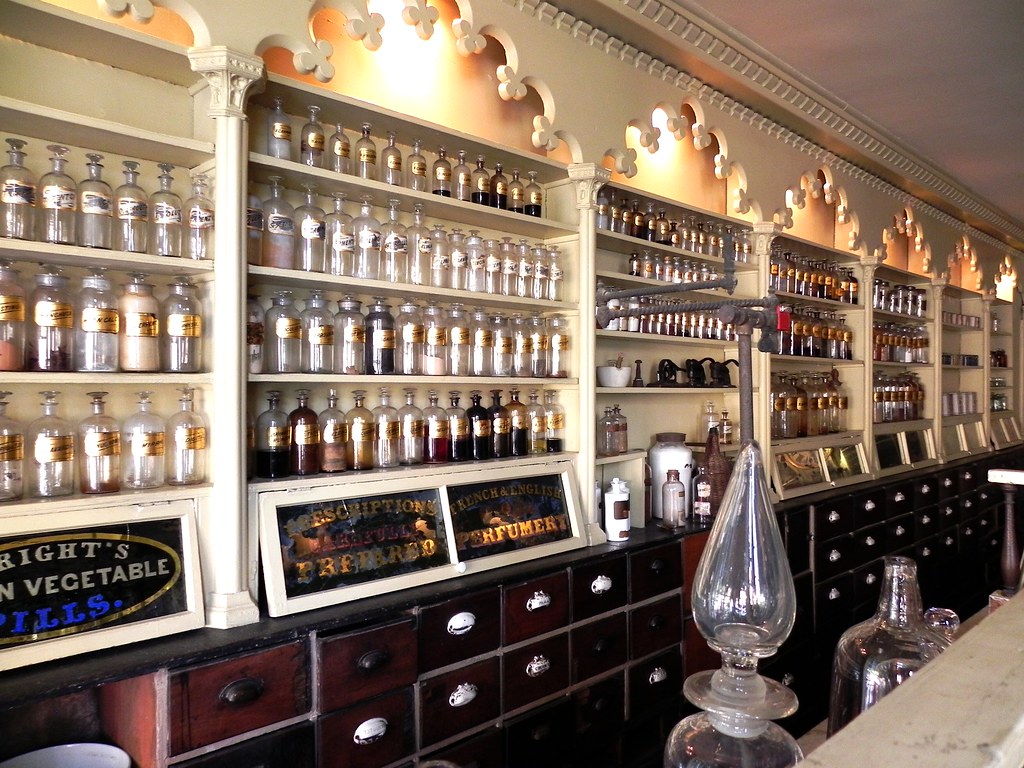
We then went to the Apothecary museum, which was really neat. Here is what its website has to say:

"The Stabler-Leadbeater Apothecary Museum was a family business founded in 1792 and operated in this location from 1796 until 1933.  It represents one of Alexandria's oldest continuously run businesses that combined retailing, wholesaling, and manufacturing.  The museum boasts a remarkable collection of herbal botanicals, handblown glass, and medical equipment, much still in its original location.  It also has a spectacular collection of archival materials, including journals, letters and diaries, prescription and formula books, ledgers, orders and invoices. The names of famous customers appear in these documents, including Martha Washington, Nelly Custis and Robert E. Lee.

Since 2006 when the museum was donated to the City of Alexandria, the museum continues to evolve as new research is uncovered and the museum expands its understanding and interpretation of the medical and business history captured by this site."

Apothecary Museum - ingredients & medicines.

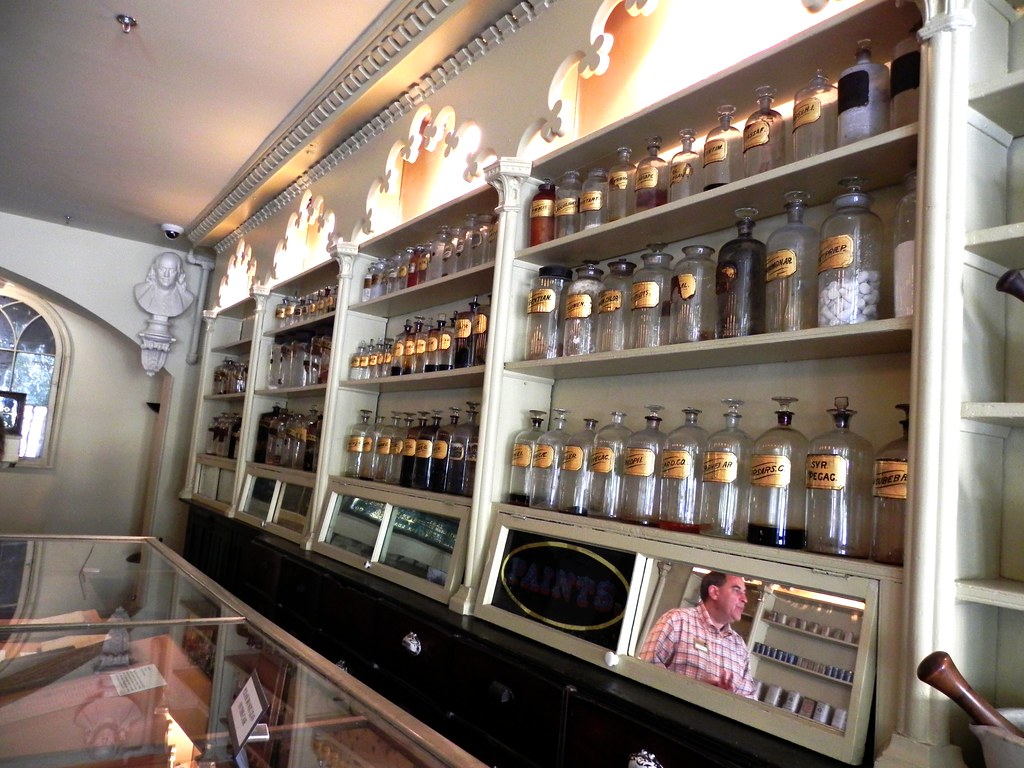
Apothecary Museum - ingredients, medicines, and the reflection of our guide.

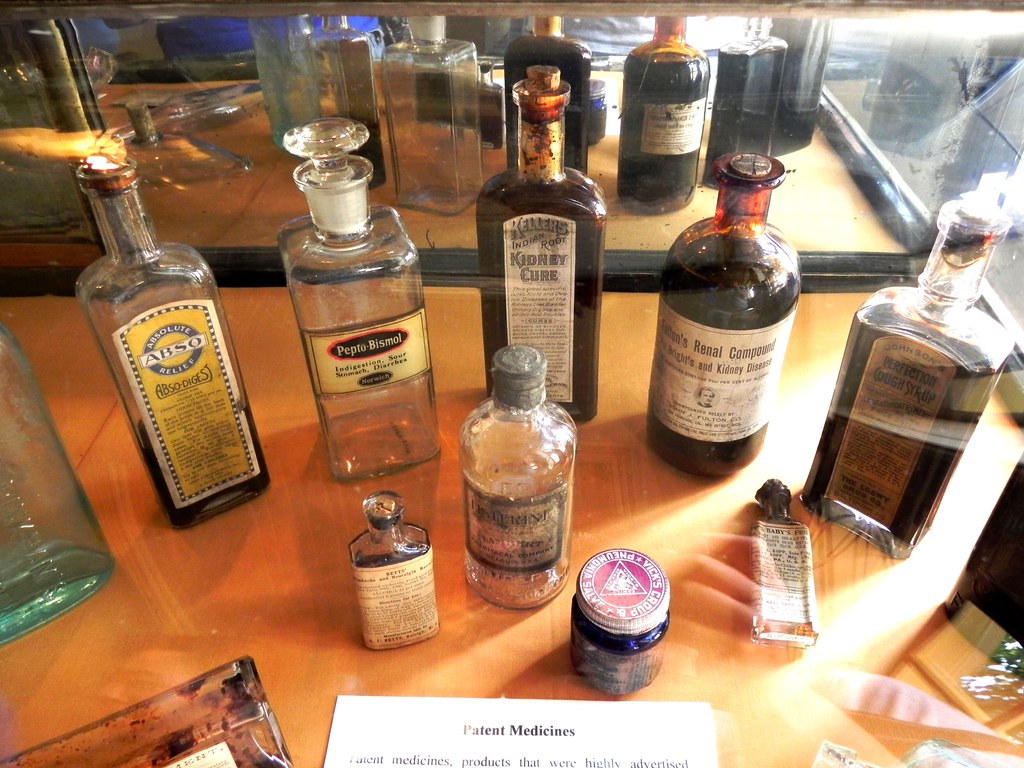
Old-time patent medications... check out the vintage Pepto Bismal second from the left.

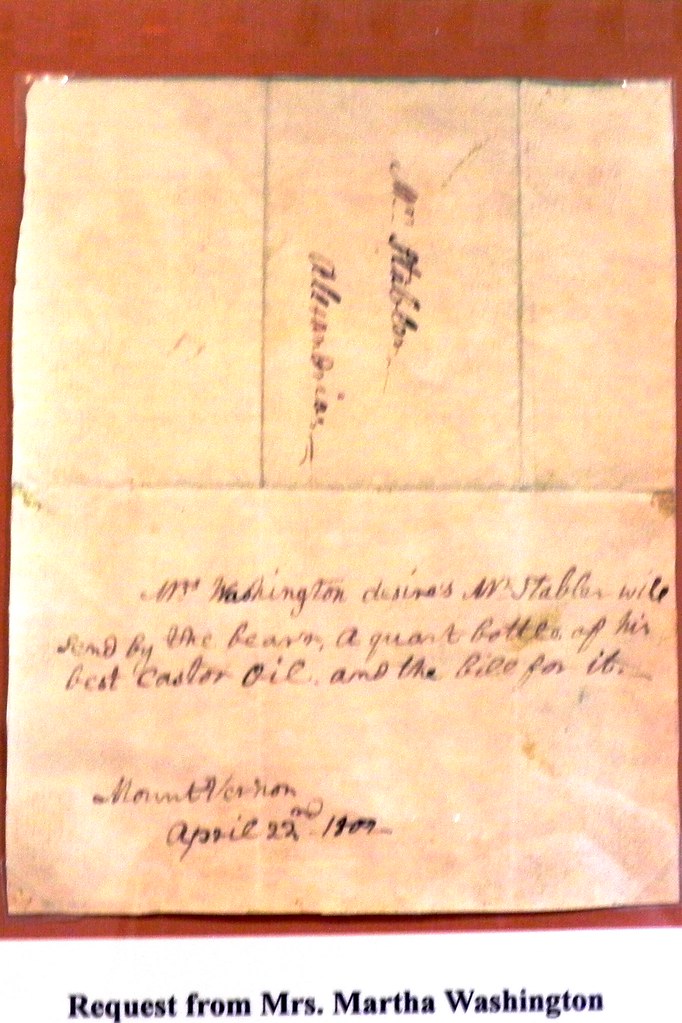
A request from Martha Washington for castor oil, a month before her death.

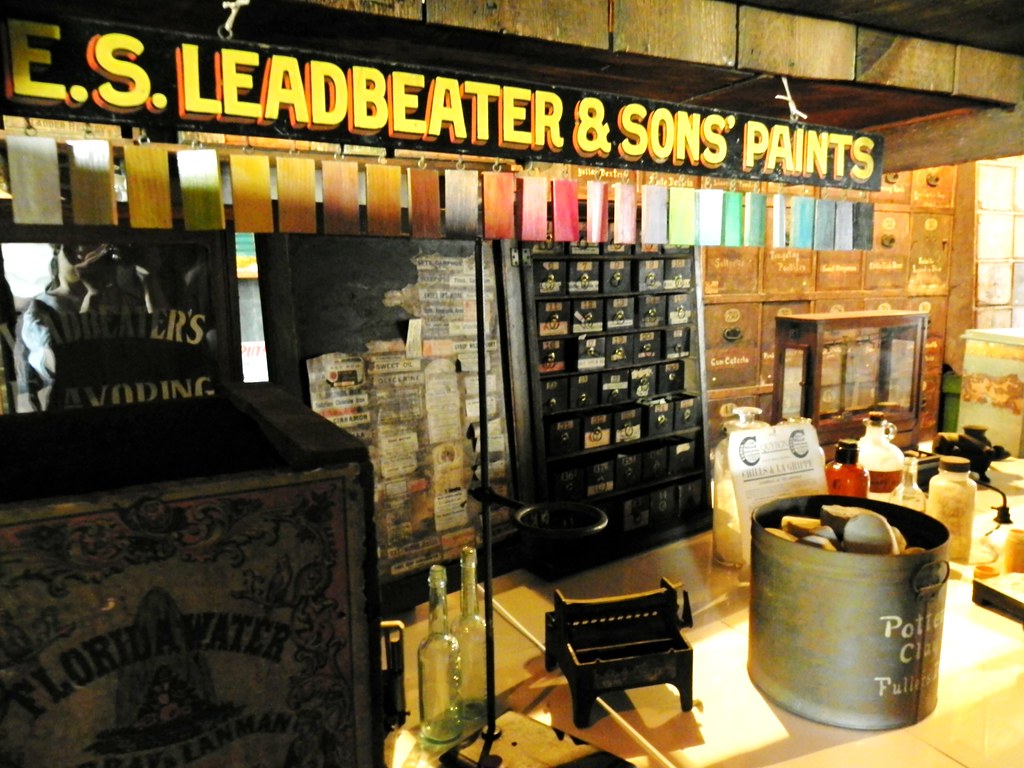
Up two levels is where the main storeroom was located, along with the family's side projects. Paints seem logical to have in the middle of mixing medicine...

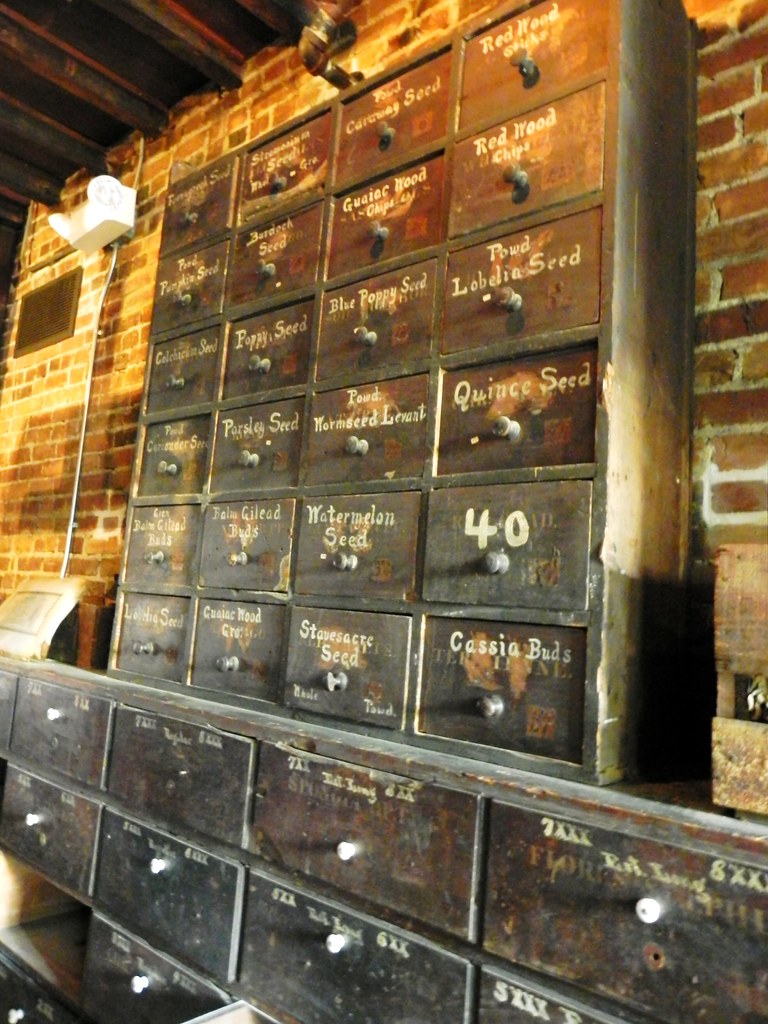
The room was lined with these, and there was still another level above (too unstable to legally allow tours to go up).  Many of these drawers still have the ingredients in them.

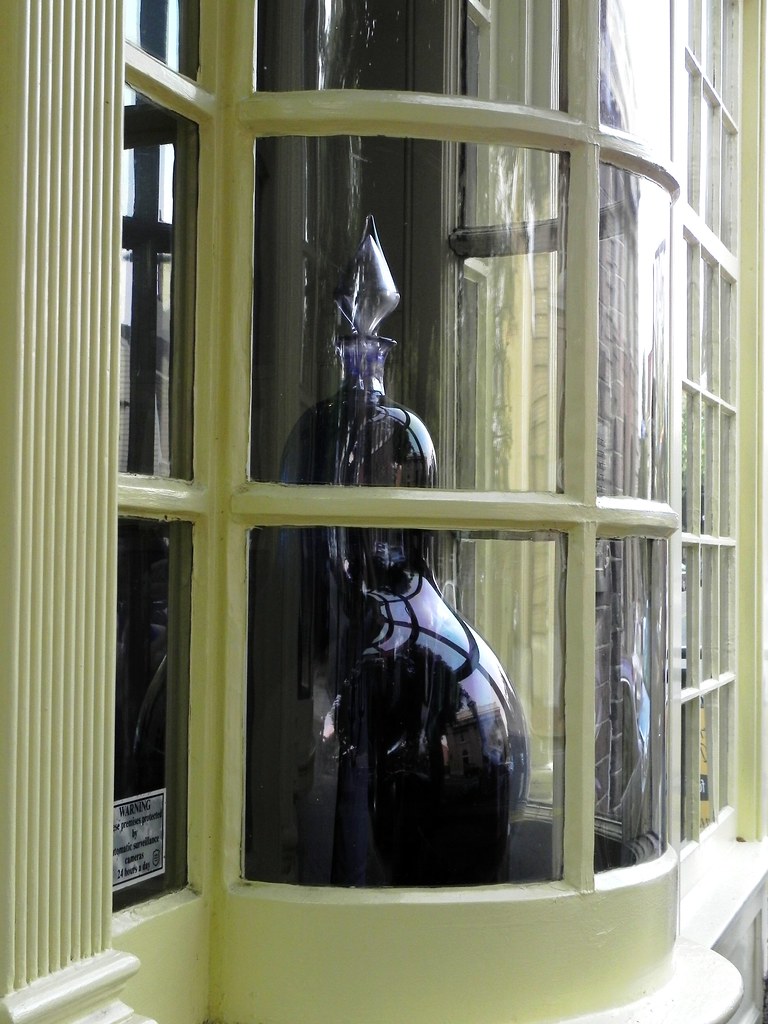
The universal sign (at the time) for an apothecary shop... sometimes they'd get fancy and fill these with different colored layers of liquids, a way of advertising an Apothecary owner's skill.

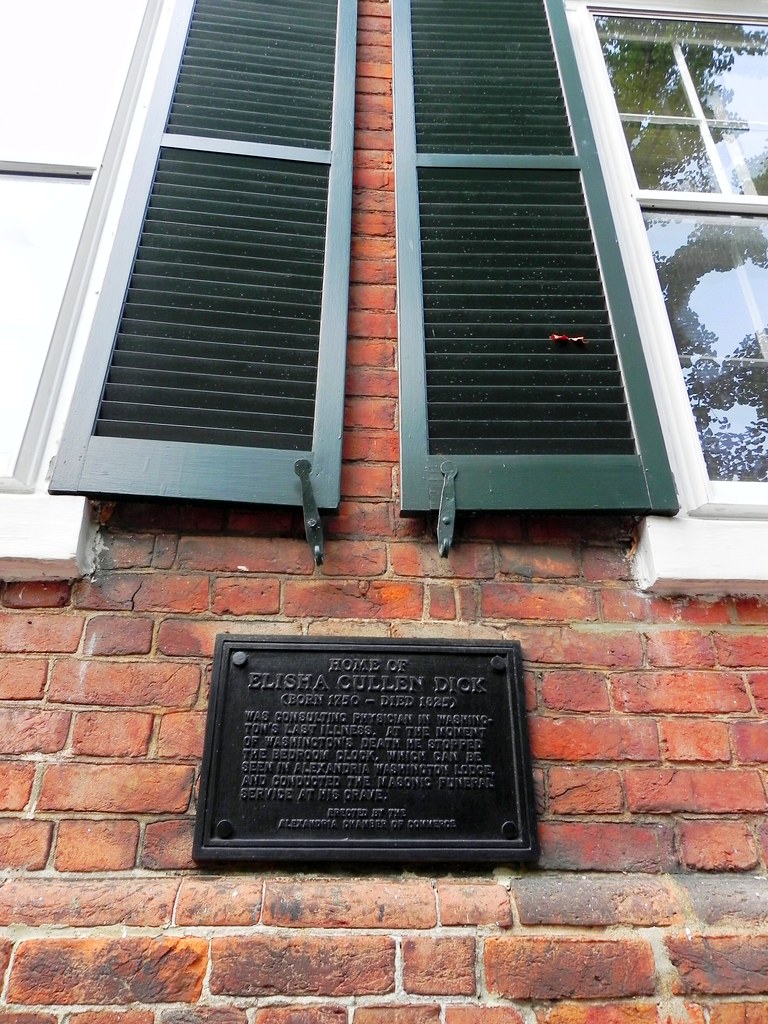
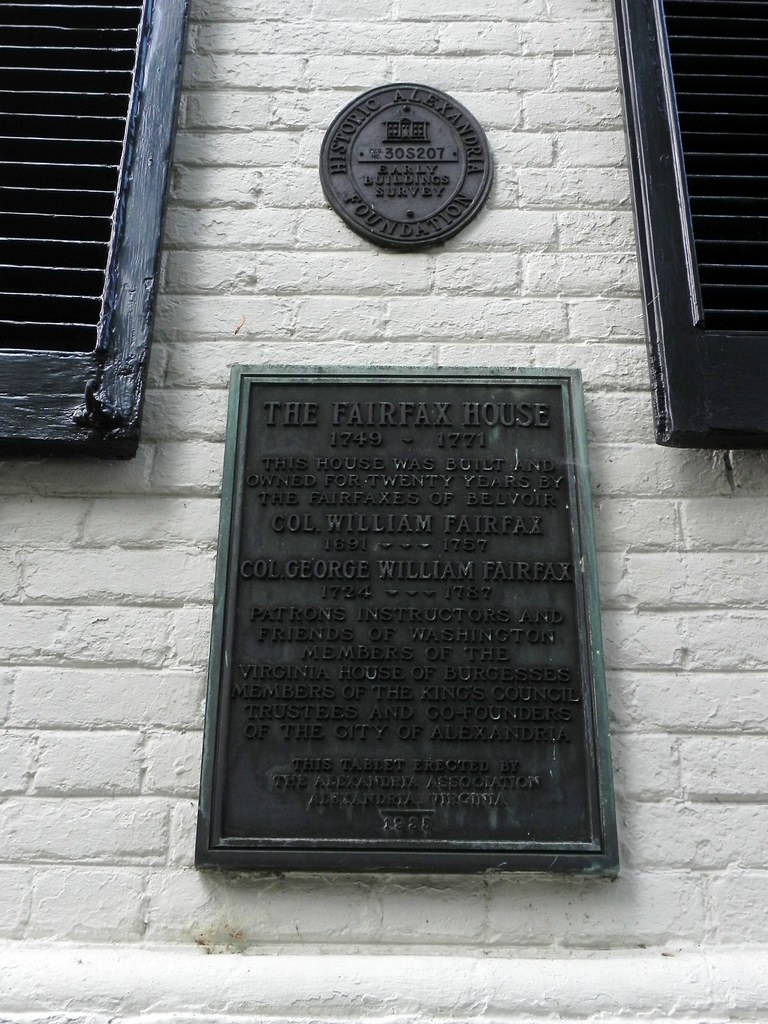
Walking through Old Town Alexandria, you start to notice plaques on buildings, and if you read them you discover that yet another historical figure had a connection to this place.  It's amazing to imagine the city as it was then, with all these everyday people and their doctors and business partners that we today think of as larger-than-life characters.

Home of Elisha Cullen Dick, who was the consulting physician present at Washington's death and performed the Masonic funeral rites at Washington's funeral.

Fairfax House, friends of the Washingtons.

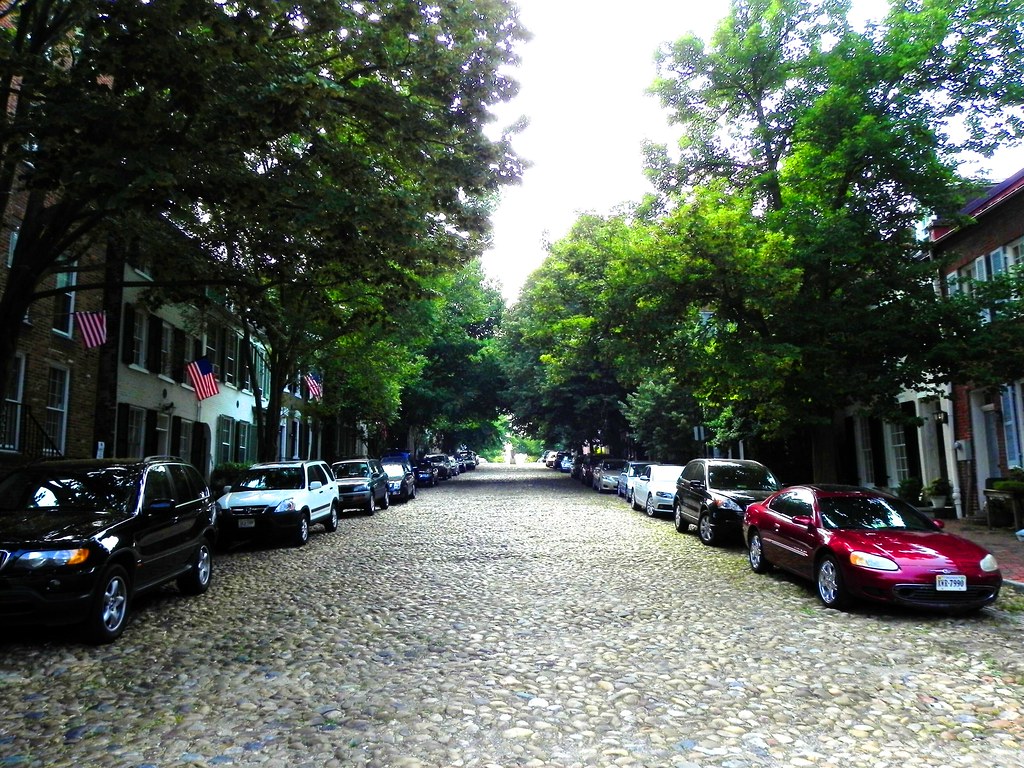
Captain's Row, a section of Prince Street leading down to the water paved with cobblestones.

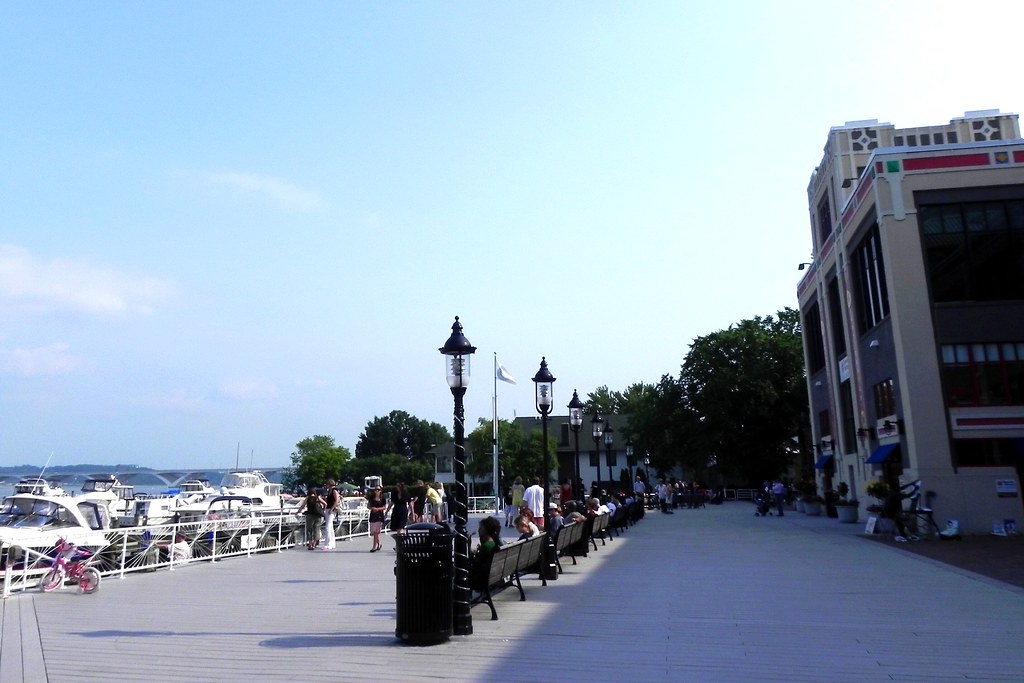
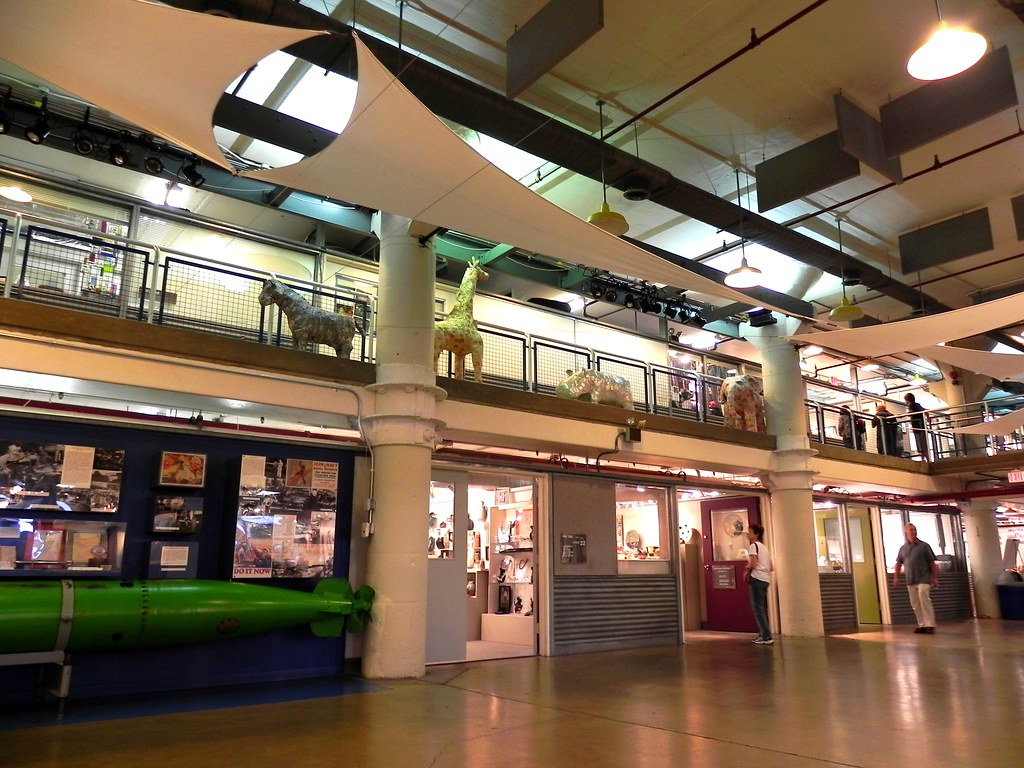
The Torpedo Factory, which once made torpedoes during both world wars, now home to artist studios and shops.

Studios inside the Torpedo Factory, and the last torpedo ever made at the factory painted in green at the left.

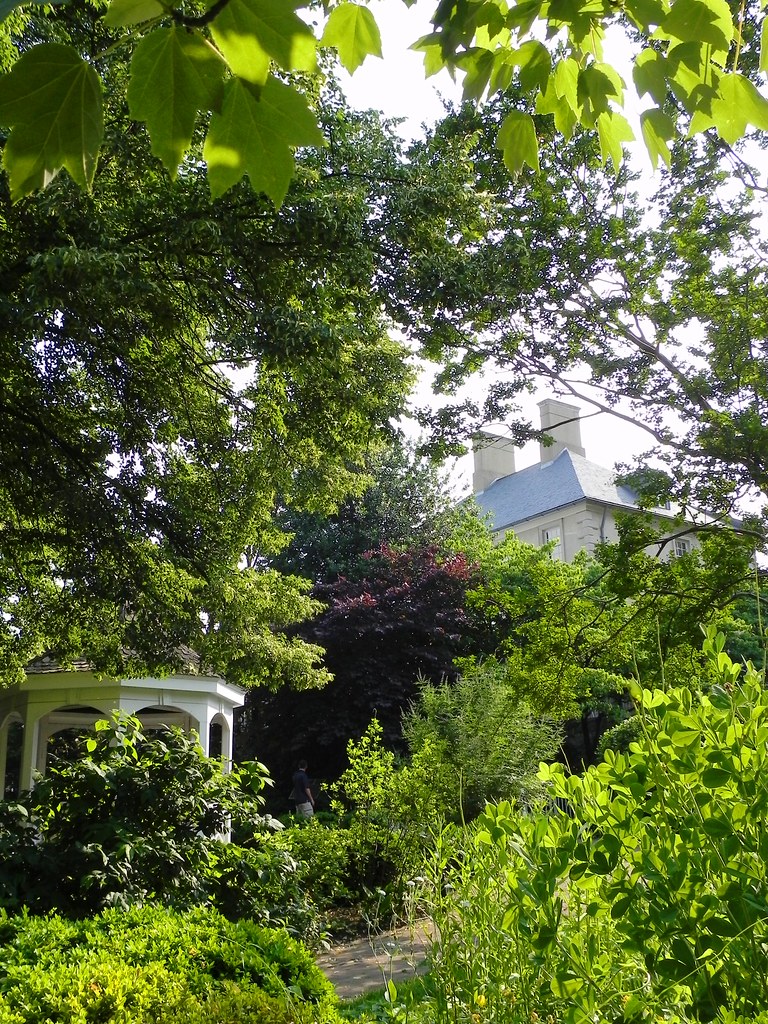
A small glimpse of Carlyle House.


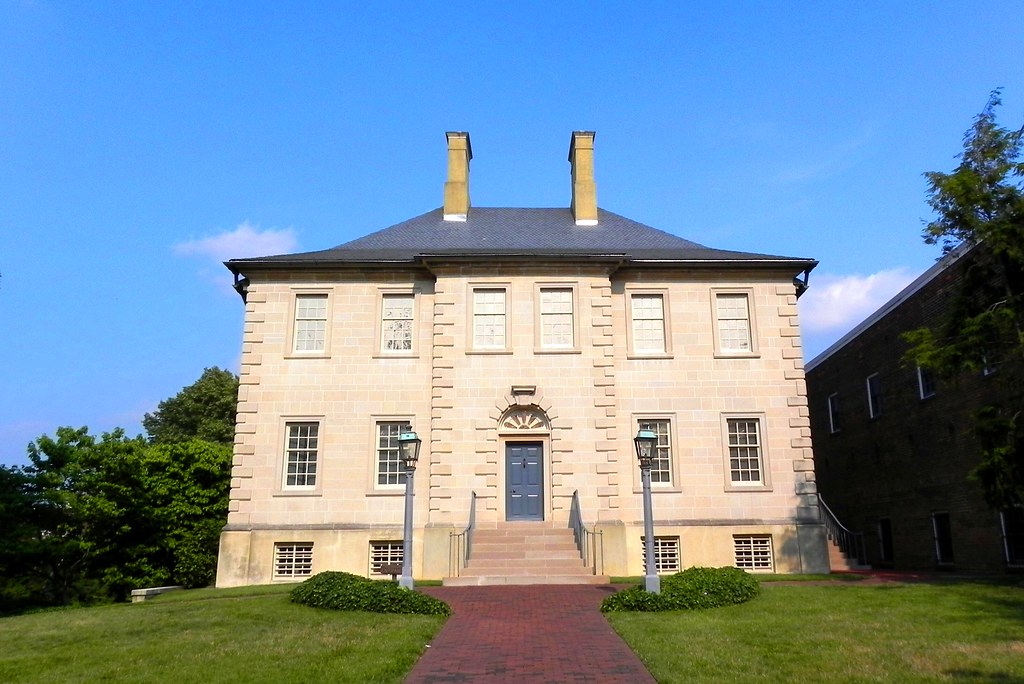
Carlyle House - General Braddock lived here in 1755 and planned the early stages of the French & Indian War.  Other meetings were conducted here, including the one that decided to tax the citizens of the colonies leading up to the Revolutionary War.

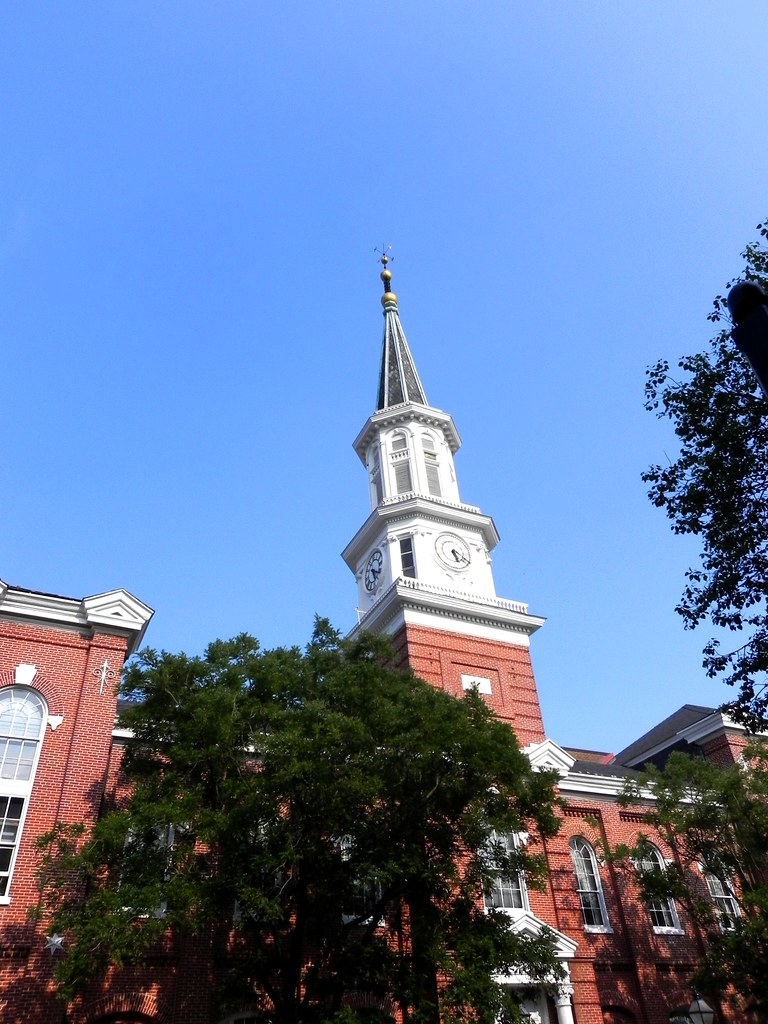
The city hall, seen from across Market Square.  General Braddock drilled his troops here.

The city hall, built on the site of the old Assembly hall, where a conference was held in 1785 between representatives of Virginia and Maryland that lead to the framing of the Constitution.

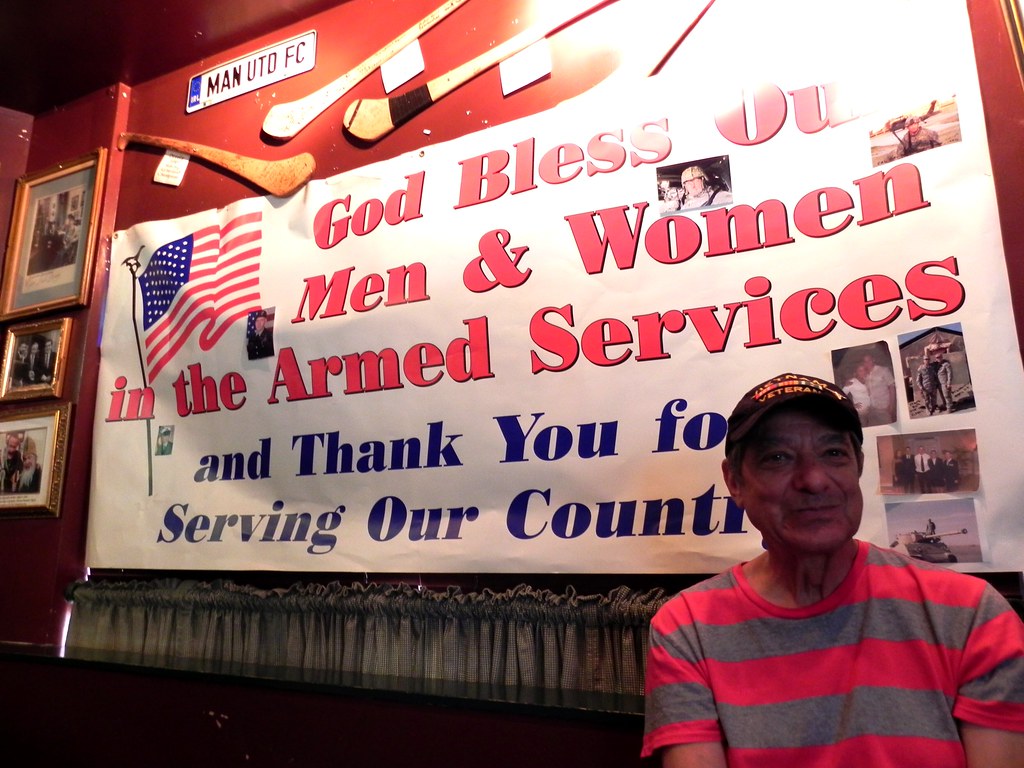
My dad in Pat Troy's Irish Pub, fittingly wearing his veteran hat.